

Sukkot Gifts
Filters

items





Judaica Gifts
246 real videos of our products, since 2005
Sukkot – The Festival of Joy, Faith, and Unity Among the Jewish People
Sukkot is one of the happiest and most meaningful holidays on the Hebrew calendar. It comes right after Rosh Hashanah and Yom Kippur, marking a transition from a period of introspection and reflection to days of joy, gratitude, and connection with others. The holiday invites us to step away from our routine, leave behind what is familiar and stable for a moment, and reconnect with the basic values of faith, simplicity, and community.
The holiday originates in the Torah, where the Children of Israel are commanded to dwell in sukkot “so that your generations may know that I had the Children of Israel dwell in sukkot when I brought them out of the land of Egypt.” The sukkah symbolizes the impermanence of life, but also the protection and providence of God throughout the generations. It reminds us that true security is not found in the walls of a home, but in faith and in the bonds between people.
The Sukkah – A Temporary Home with an Eternal Message
Building the sukkah is at the heart of the holiday. It is a meaningful family experience, when we go outside and build a space together that invites us to gather, talk, and welcome guests. Sitting and eating in the sukkah and hosting family and friends create a unique atmosphere that strengthens relationships and encourages simple, effortless joy.
It is no coincidence that Sukkot is also called “the season of our joy”—a joy that comes from being together, without pretense or excess materialism.

The Four Species – Unity in Diversity
The mitzvah of the Four Species is one of the central observances of the holiday. The etrog, lulav, myrtle, and willow represent different kinds of people in the Jewish people. Each is important in its own right, but only together do they form a whole. This is a profound message of unity, acceptance, and mutual support.
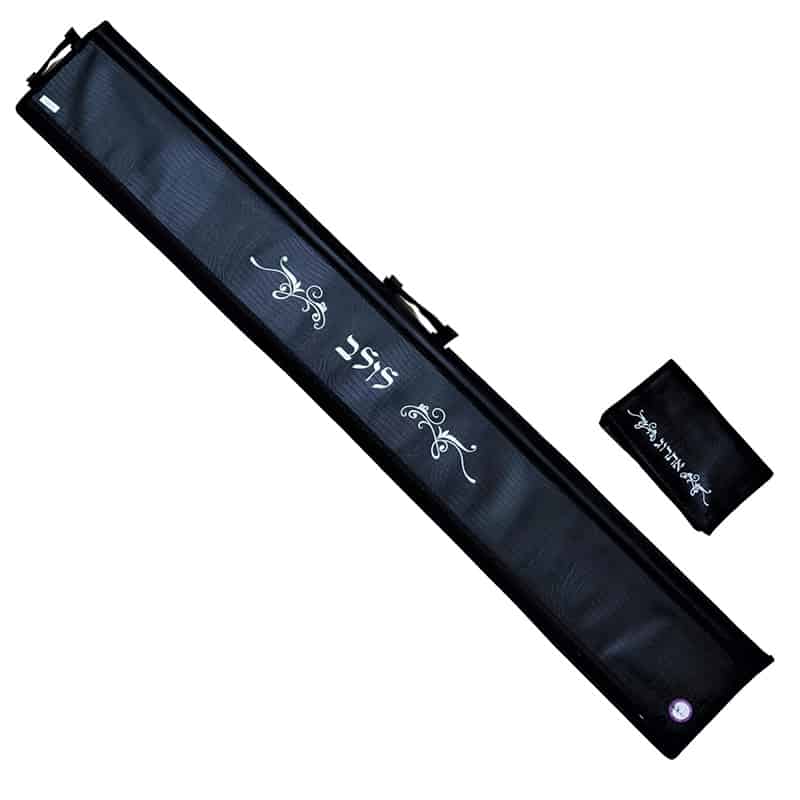
The etrog, in particular, is considered a precious and delicate fruit, so many people take care to store it respectfully. Using a specially designed item, such as a
handsome black faux-leather etrog case with a lining,
is not merely practical—it is an expression of respect for the mitzvah and the tradition.

The Festival of Ingathering – Gratitude for Abundance
Beyond its historical and spiritual meaning, Sukkot is also an agricultural holiday—the Festival of Ingathering. It is a time to reflect on the agricultural year and give thanks for the harvest and abundance. Even today, when most of us are far removed from daily life on the land, this message remains relevant: pause, appreciate, and give thanks for what we have.
Sukkot Gifts – Joy with Meaning
Although Jewish law does not require giving gifts on Sukkot, many choose to do so as part of the festive atmosphere and frequent hospitality. Holiday gifts tend to be practical and traditional, with a clear connection to the holiday itself—items that complement the holiday observances or add beauty and warmth to the home.
A wide range of ideas and specially selected items can be found in the
Sukkot Gifts category,
including Judaica, hosting accessories, and gifts for the sukkah and the Jewish home—all with a clear connection to tradition and the joy of the holiday.

Holy Books and Judaica – A Connection That Lasts Beyond the Holiday
Sukkot highlights the connection between joy and spirituality, making gifts from the world of holy books a natural fit. A small Torah scroll or another sacred item can serve both as a festive gift and as an object that continues to accompany the Jewish home throughout the year.
For example,
Small Sephardic Plastic Torah Scroll, Jerusalem, 28 cm
is a meaningful and moving item that connects ancient tradition with everyday life at home.
In Closing – A Holiday of Stepping Outside and Returning to What Matters
Sukkot reminds us that life itself is temporary, but our values, traditions, and relationships are what endure. The sukkah, the Four Species, the joy, and the hospitality all come together to create a holiday that connects body and spirit, past and present.
This is a holiday that invites us to simplify, give thanks, and rejoice—and to begin anew with a genuine sense of connection.
Happy Sukkot 🌿