

The Evil Eye – History, Beliefs from Different Cultures, and How We Protect Ourselves
In almost every culture in the world, in every generation and on every continent, there is one common belief: that a certain gaze can cause harm. The evil eye – or in Arabic "Ayn al-Hasad," in Greek "mati," in Turkish "nazar" – is one of the oldest and most widespread beliefs known to humanity. In this article, we will delve into the history of this belief, understand what different cultures say about it, and discover which jewelry and items help protect against it.

What is the Evil Eye? – The Basic Definition
The evil eye is the belief that a gaze filled with envy, ill will, or malevolent intent can cause harm to a person, an object, or even an animal. It's not necessarily about conscious intent to harm – sometimes even a compliment said out of hidden envy is considered dangerous.
The belief is not limited to a feeling – throughout history, it has been translated into entire systems of protection: amulets, blessings, rituals, and special jewelry designed to ward off the "eye" and protect those who wear them.
History – Where did the belief in the Evil Eye come from?
The earliest records of the belief in the evil eye date back approximately 5,000 years. Ancient Sumerian pottery from the Euphrates River contains references to an "evil eye" that needed to be protected against. In ancient Babylon, spells for protection against the evil eye were part of daily life.
In ancient Egypt, the "Eye of Horus" – the symbol of the divine almond-shaped eye – served as a powerful protective amulet. Pharaohs wore it, and depictions of it have been found on hundreds of archaeological artifacts.
In ancient Greece and Rome, the fear of "fascinum" (the evil charm) was so profound that special statues, jewelry, and paintings were placed at the entrances of homes and on the bodies of infants. Even war heroes drew protective symbols on their armor.

The Evil Eye in Different Cultures Around the World
In Judaism: The belief in the evil eye ("ayin hara" in Hebrew) appears in the Talmud, Midrash, and rabbinic writings. Sages like Rabbi Akiva and the Chazal discussed it extensively. The traditional Jewish solution included saying "bli ayin hara" (without evil eye), reading protective verses, and using amulets with inscriptions like "Shema Yisrael." The Hamsa – an outstretched hand with an eye – has become the most common Jewish protective symbol.
In Islam: The Quran explicitly mentions the evil eye ("al-ayn"), and the Prophet Muhammad, according to tradition, said that the evil eye is real. The traditional solution includes reciting "Masha'Allah" (what God has willed), and using the "nazar" – the well-known blue eye-shaped talisman.
In Christianity: Especially in Catholic Christianity in Italy, Greece, and Spain, there is a deep belief in "malocchio" (the Italian evil eye). Priests and saints were considered capable of curing it, and special amulets like the "cornicello" (a red horn) are still popular.
In India: "Nazar lagna" (evil gaze) is expressed in practices such as placing black pots outside new homes, smearing a black mark on a baby's cheek, and tying black threads.
In Turkish and Middle Eastern culture: The "Nazar Boncuğu" – a blue glass eye – is one of the most recognized symbols in the world. It is hung in homes, cars, jewelry, and bags throughout Turkey, Greece, and the entire region.
How to Identify the Evil Eye? – Signs According to Tradition
According to various traditions, signs of the evil eye include sudden fatigue without reason, persistent headaches, a sudden downturn in luck, restlessness in babies and children, inexplicable business failures, and a general feeling that "everything is going wrong." Of course, these beliefs are part of cultural heritage and are not scientifically based – but they are a deep part of the identity of millions of people around the world.

What Helps? – Methods of Protection from the Evil Eye
Amulets and Jewelry: The most common way. Wearing jewelry with a protective symbol – Hamsa, eye, Star of David – provides a symbolic layer of protection carried on the body at all times.
Home Decor: Hanging a Hamsa or an eye at the entrance of a home, above a baby's crib, or in a workspace – an old tradition that is still maintained in many homes today.
Verbal Blessings: "Bli Ayin Hara," "Masha'Allah," "Ein Shara" – protective phrases said when receiving a compliment or when something good happens.
Traditional Practices: Such as "Bitul Ayin" (cancellation of the eye) with black coffee and salt (in Sephardic tradition), or special prayers.
Evil Eye and Hamsa Jewelry – Protection You Wear
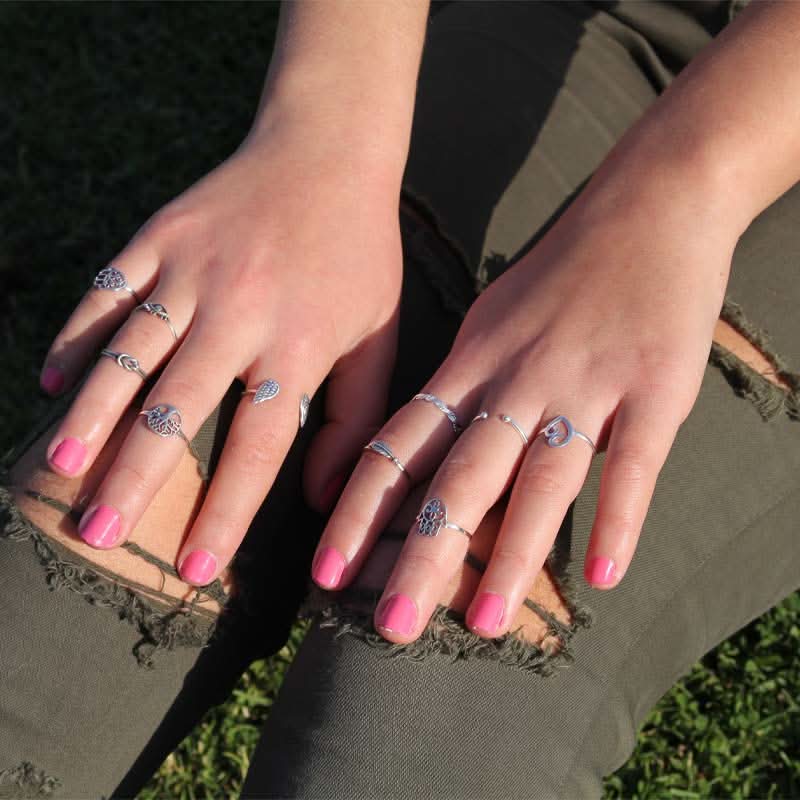
At Israel Gifts, you will find a diverse collection of Hamsa and evil eye jewelry – made of genuine 925 silver, in designs that combine tradition and modern aesthetics. Here are some of our special items:
925 Silver Eye Ring with Ornaments – A stunning 925 silver ring with a detailed eye design and delicate ornaments. A piece of jewelry that combines symbolic protection with undeniable beauty.
Colorful Metal Hamsa in Stained-Glass Style – A large Hamsa, 19x22.5 cm, in rich stained-glass colors – an impressive home decoration that also protects the home.
Colorful Hamsa Stand Without Evil Eye – A colorful and designed Hamsa stand, 22x16 cm – perfect for an entryway, workspace, or as a housewarming gift.
Delicate 925 Silver Hamsa Eye Necklace – A delicate necklace with a small Hamsa and eye pendant, 1.6x1 cm, made of 925 silver – for daily wear, delicate and meaningful.

The Evil Eye in a Jewish Context – What Do the Sources Say?
In Jewish tradition, the evil eye is mentioned as early as the Torah. Our father Jacob warned his sons not to enter through one gate all together, seeking to protect them from the evil eye. Rabbi Yochanan in the Gemara (Berachot 55a) states that most deaths in Israel are due to the evil eye.
The most traditional Jewish solution is the verse "And let them multiply abundantly in the midst of the earth" (Genesis 48) – for fish living in water are unseen and thus protected. Therefore, fish became a Jewish protective symbol. Also, the Hamsa – the outstretched hand with an eye – is considered one of the strongest protective symbols in both Jewish and Middle Eastern traditions.
It's interesting to note that even the "Chai" symbol – the two letters Chet-Yud – is considered a strong protective amulet, as it reminds the wearer of the value of life and strengthens the connection to a good life.
The Evil Eye and Babies – Why Protect Children More Than Anyone Else?
In all the cultures we've discussed, babies and young children are considered particularly vulnerable to the evil eye. The reason is simple: they attract attention, evoke envy ("What a beautiful baby!"), and do not yet have the "protection of experience" that adults have developed.
Therefore, a gift for a baby or a new mother that includes protective jewelry – such as a Hamsa or Judaica jewelry with a blessing – is a gift received with warmth and deep gratitude. It says: "I am protecting you."

In Summary – The Evil Eye Between Belief and Identity
The evil eye is one of the most fascinating cultural phenomena known to humanity – a belief that has crossed continents, religions, and cultures, and is still alive and well even in the modern era. Whether one believes in it or not – the jewelry and symbols designed to protect against it have become an integral part of the cultural identity of many peoples.
At Israel Gifts, you will find a wide range of Hamsa and evil eye jewelry, Judaica and home decor – all with meaning, all with a story, and all delivered with fast shipping throughout Israel. Because a gift with a protective symbol is not just beautiful – it also says something deep.
Want to see more? Browse ourStar of David jewelry, Chai jewelry andentire collection.


Leave a comment
This site is protected by hCaptcha and the hCaptcha Privacy Policy and Terms of Service apply.