

Plata covers
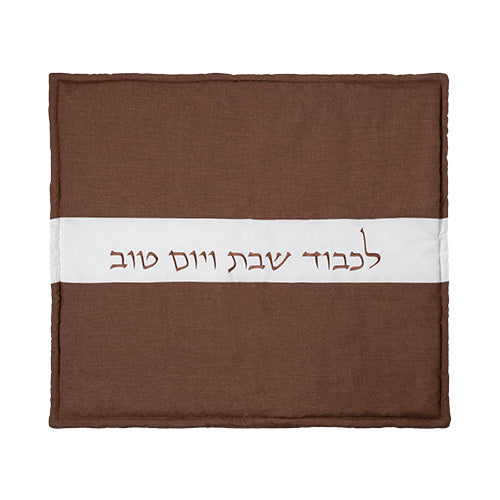
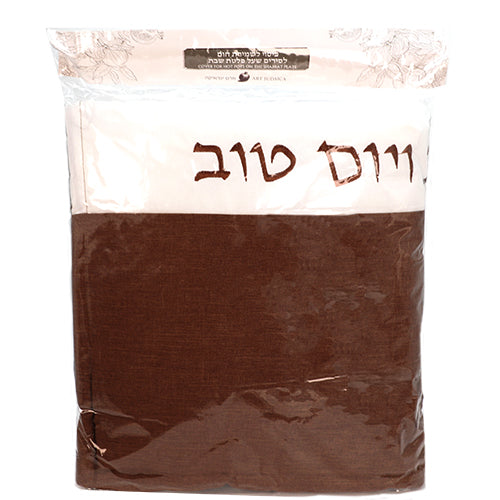
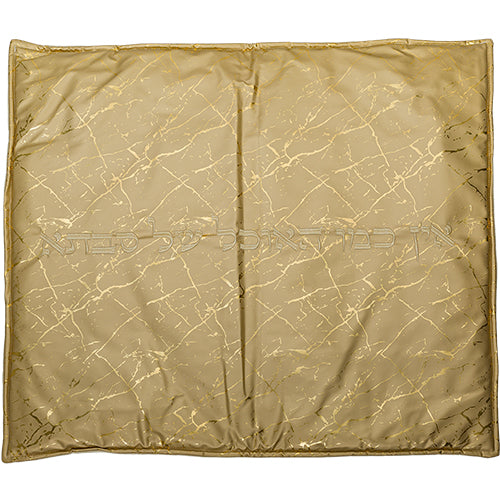
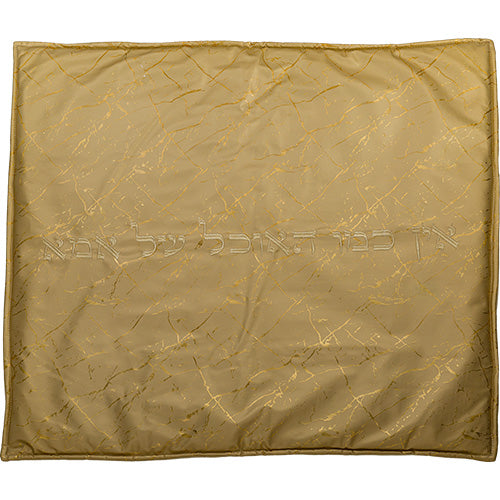
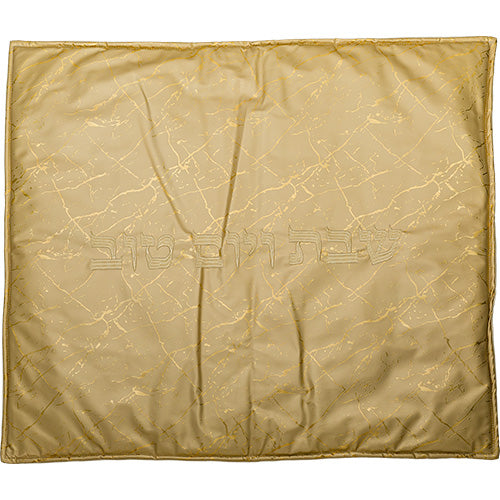
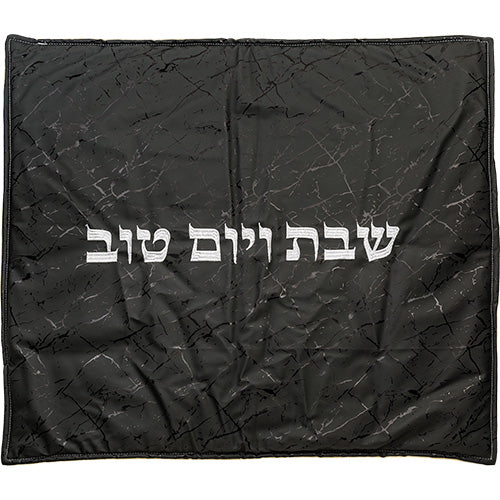
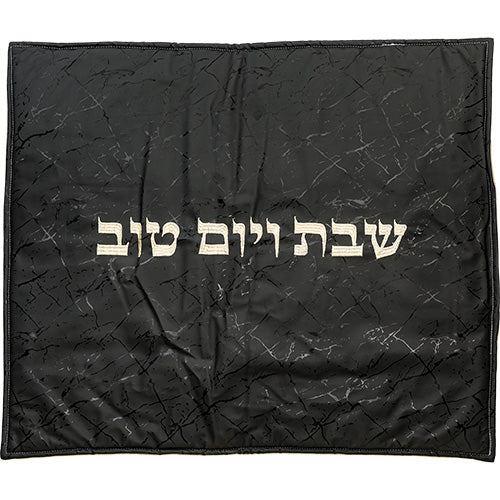
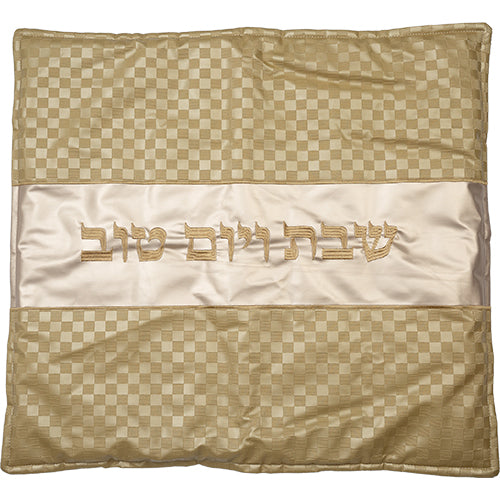
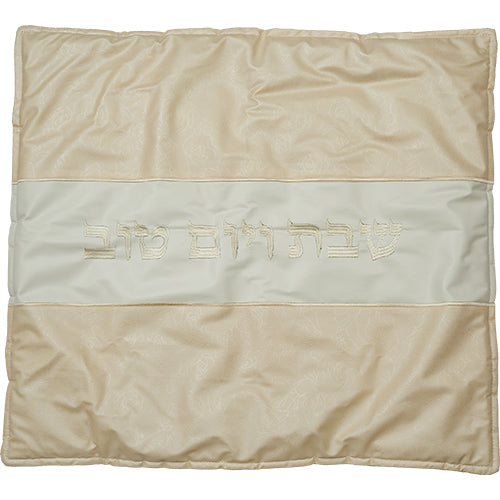
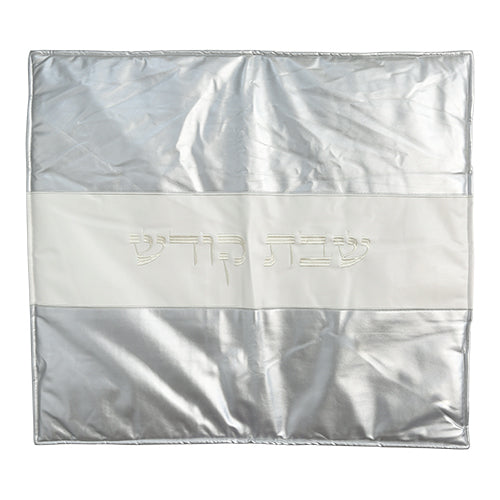
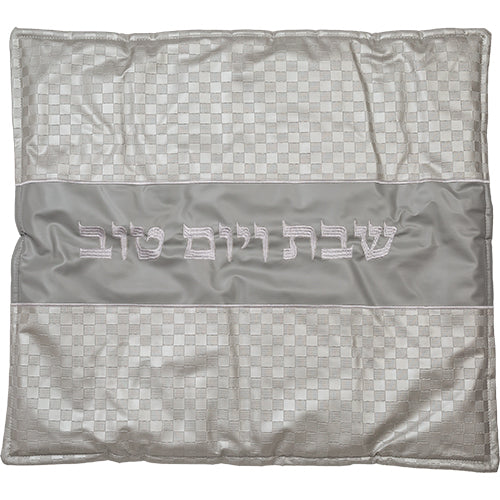
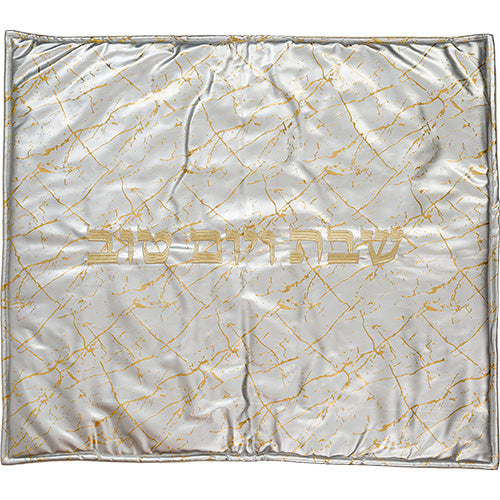
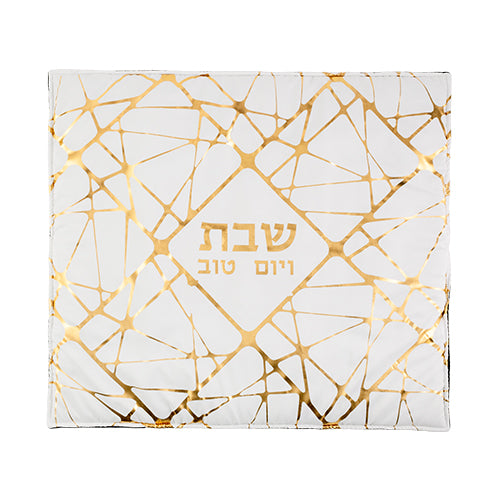
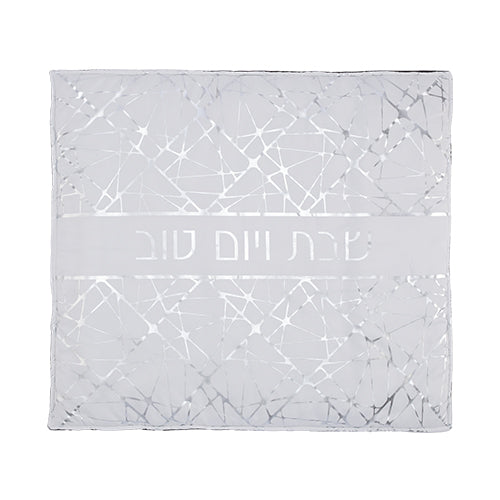
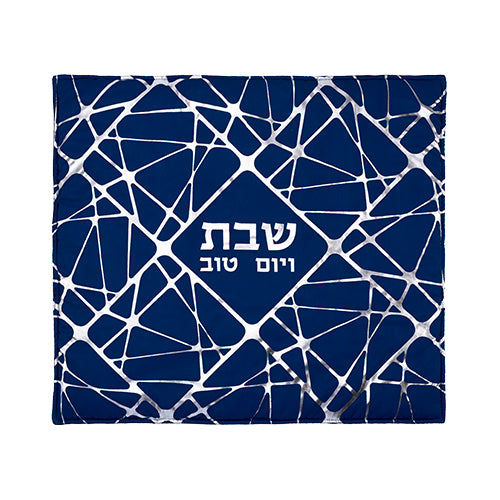
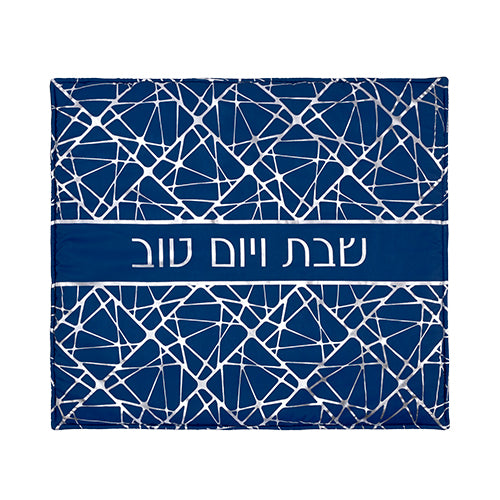
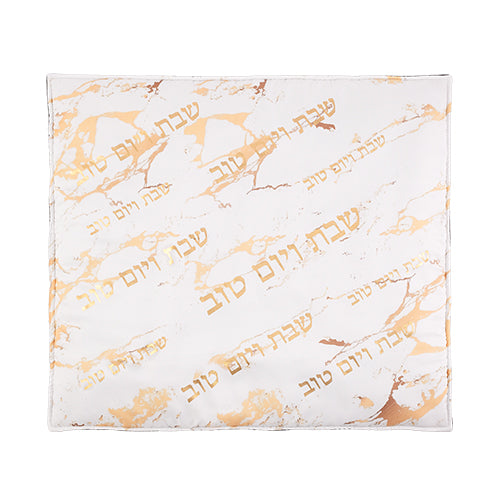
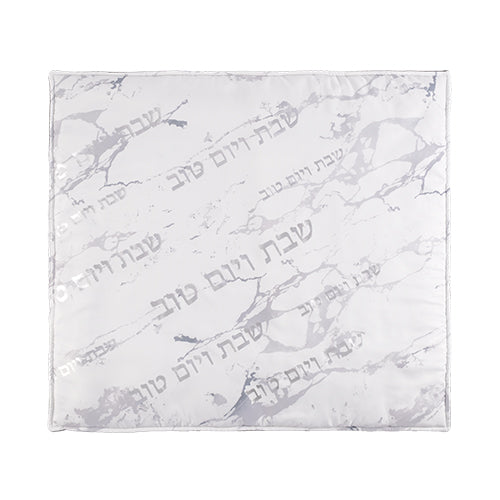

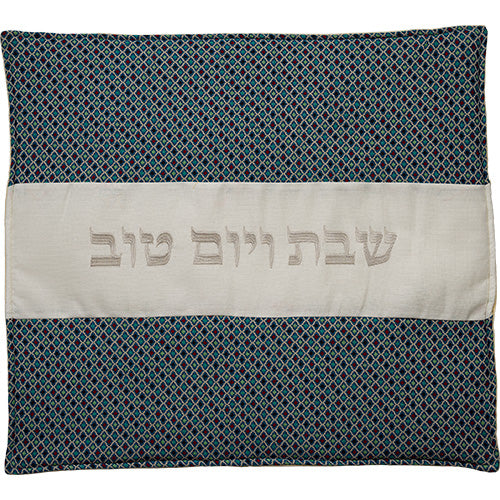
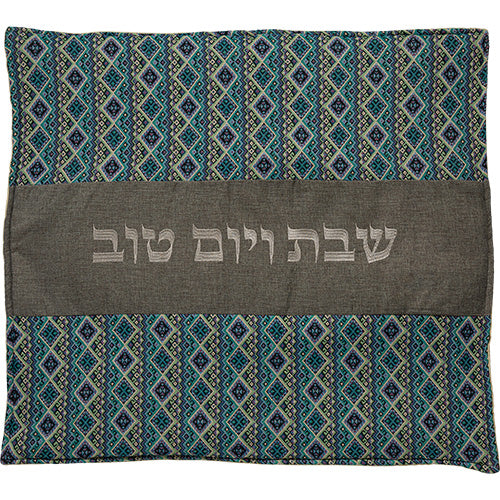

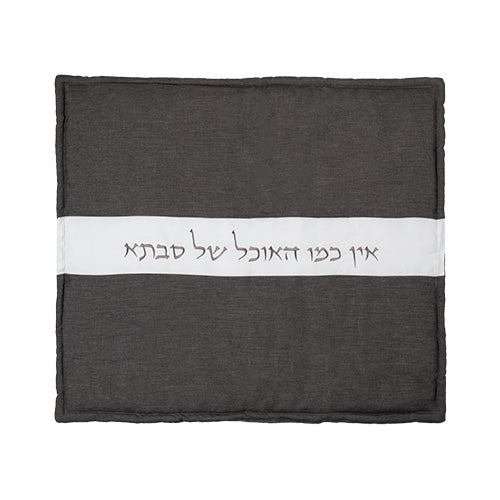
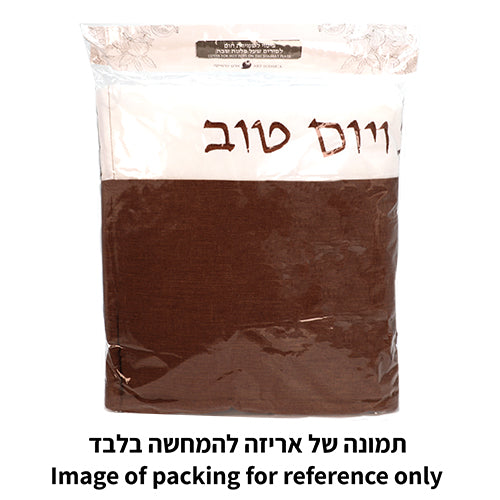
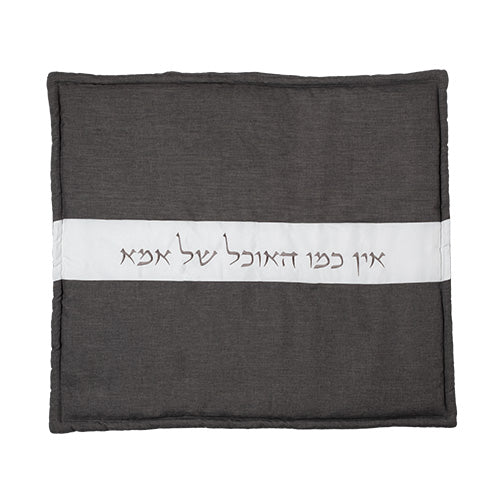
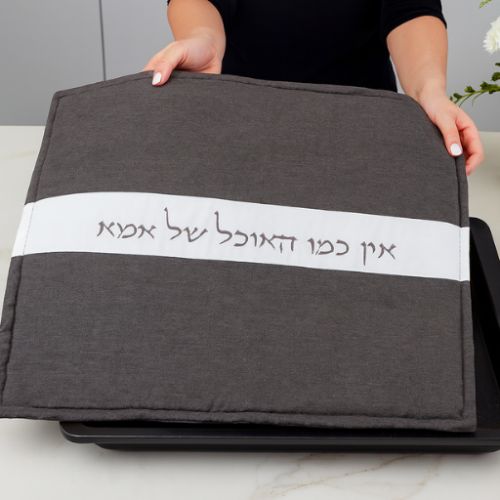
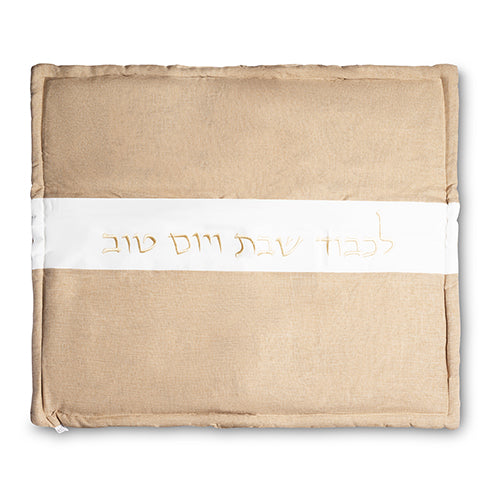
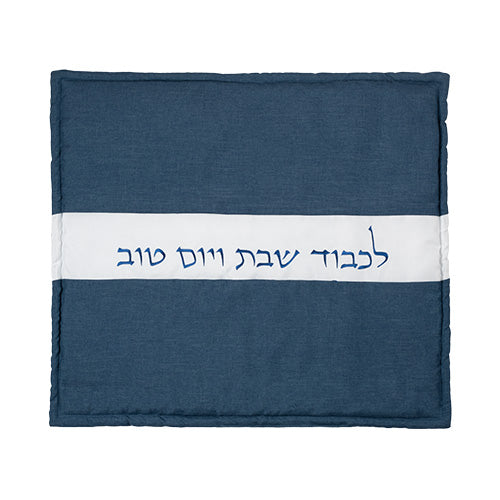
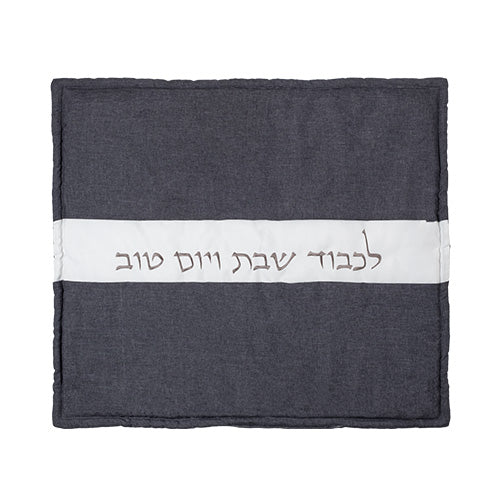
Hot Plate Covers — A Solution for Keeping Food Warm on Shabbat with Depth, Meaning, and Design
In many Sabbath-observing communities, a challenge arises due to the prohibition of lighting or extinguishing fires and electrical appliances on Shabbat. However, there is a practical need to keep food warm for an extended period after it has been prepared before the Sabbath begins. The common and effective solution for this is the use of hot plate covers — textile and material items designed to enclose and protect the electric hot plate, ensuring that food remains warm and pleasant throughout Shabbat.
Hot plate covers are not merely a convenience gimmick; they are part of a system of solutions born from a deep understanding of the needs of Shabbat observance and the preservation of "thoughtful work" and Halakhic principles. They represent a culture of use that respects the spirit of Shabbat and leads to clever solutions that utilize the advantages of existing technology without violating the prohibition.
Jewish Tradition and Shabbat — Background to Understanding the Use of Hot Plate Covers
Shabbat in Jewish tradition is a day of rest and holiness — a time when certain activities are refrained from, including lighting a fire or using electrical appliances that operate heating systems. However, there is no prohibition against keeping food warm that has already been prepared before Shabbat, and in practice, it is customary to use a "Shabbat hot plate" — an electric hot plate connected to electricity before Shabbat begins — to keep dishes warm throughout Shabbat.
This is precisely where hot plate covers come in: they provide a practical solution to keep food warm more efficiently, while maintaining the sanctity of Shabbat and adhering to Halakhic rules.
What is a Hot Plate Cover and Why is it Important?
A hot plate cover is an item whose purpose is to maintain the warmth of food placed on an electric hot plate. It fits over the hot plate and envelops it from the inside or outside, reducing heat loss and ensuring that the temperature within the surface remains stable for an extended period.
The main advantages of using a hot plate cover:
-
Long-lasting heat retention – by thermal insulation of the heating surface
-
Energy saving – a good cover retains heat more efficiently
-
Preservation of food taste and quality – reduces too rapid cooling
-
Adherence to Shabbat rules – based on using a hot plate already activated before Shabbat begins
Common Materials for Hot Plate Covers – Properties, Advantages, and Disadvantages
There is a variety of materials for hot plate covers, and each material offers a different balance between thermal insulation, design, and ease of cleaning:
Thick Fabric Covers
Covers made of extra-thick fabric, such as coated wool or special synthetic fabric, are used for very good thermal insulation. The fabric retains heat and prevents cold air from penetrating.
Advantages:
⭐ Excellent heat insulation
⭐ Usually easy to wash
⭐ Can be designed to match kitchen and Shabbat table decor
Disadvantages:
🔹 Can take up a lot of storage space
🔹 Less resistant to stubborn stains
Fabric Covers with an Insulation Layer
Some covers also incorporate an internal insulation layer (for example, polyester with a layer of heat-insulating materials), which offers the potential to retain heat even better.
Advantages:
⭐ Improved heat insulation
⭐ Higher durability over time
⭐ A sense of "professionalism" in use
Disadvantages:
🔹 Slightly higher cost
🔹 Cleaning may require more precise care
Hot Plate Covers with Reinforced Handles and Edges
Covers with reinforced seams and comfortable handles allow for easy lifting of the hot plate even when it's hot

How Does the Cover Enhance Heat Retention on the Hot Plate?
The cover operates on several principles simultaneously:
-
Reduces air exchange around the heating surface
-
Creates an insulation layer between the hot plate and its surroundings
-
Slows down rapid heat radiation outwards
Together, they allow the hot plate to work more "smartly" – less heat dispersion, fewer temperature fluctuations, and longer heat retention after you've prepared the food before Shabbat.
When and How to Use the Hot Plate Cover?
-
Prepare the hot plate in advance – connect it to electricity before Shabbat begins and let it reach the desired temperature.
-
Place the pots/pans with warm food on the hot plate.
-
Wrap the hot plate with the cover neatly – so that the heat is retained and not "lost."

Design, Usability, and Practicality
Hot plate covers offer not only functionality but also a decorative touch to the kitchen and Shabbat table. Depending on the material, cut, and finish, you can choose a cover that also matches your home's design style – whether classic, modern, rustic, or minimalist.
In addition, many covers incorporate pleasant colors, convenient storage pockets, or handles that make lifting and arranging easier.
Advantages of Observing Shabbat with Hot Plate Covers
The advantages of this solution are clear:
✔️ Allows you to maintain high-quality warmth throughout Shabbat
✔️ Provides a reliable and practical solution for continued use of the hot plate
✔️ Creates a neat and aesthetic Shabbat table
✔️ Reduces energy waste and unnecessary additional heating expenses
✔️ Combines holiness and tradition with everyday convenience
Who is the Cover Suitable for?
A hot plate cover is especially suitable for:
-
Shabbat-observing families who wish to keep food warm
-
Those who host on Shabbat and desire an organized table
-
Anyone who prefers a safe, simple, and stable solution for temperature maintenance
-
Families with children who want to maintain food quality for a long time
Summary
Hot plate covers are not "just another item" of convenience, but a solution based on a true understanding of the needs of Shabbat observance, keeping food warm, and respect for Jewish tradition. They combine functionality, thermal insulation, material quality, and design suitable for every home.
By choosing a high-quality cover, you can ensure that your family's Shabbat begins warmly, orderly, and calmly – exactly as it should be.