"Chai" Jewelry
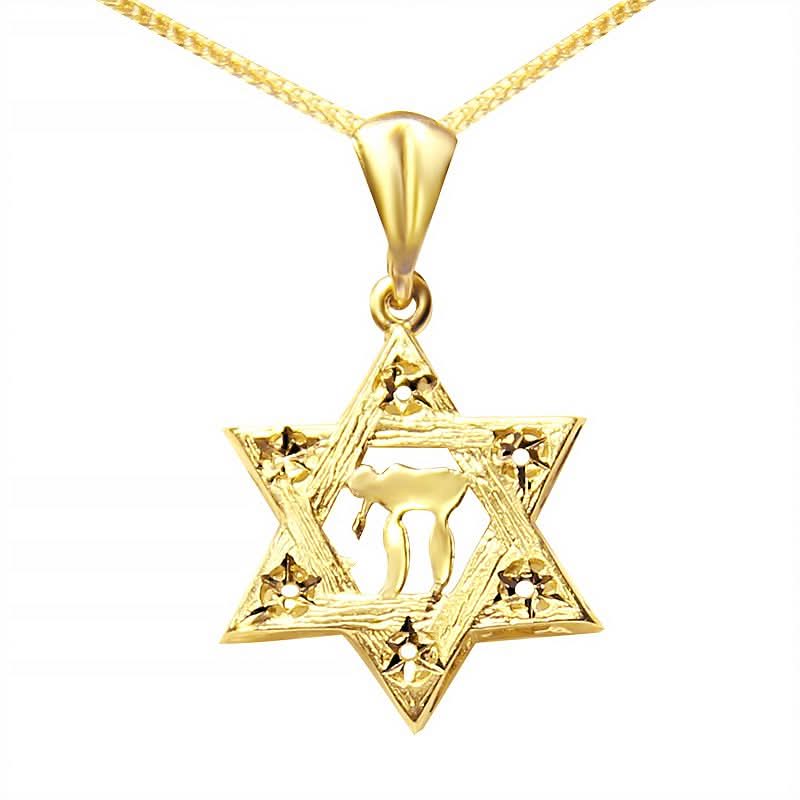
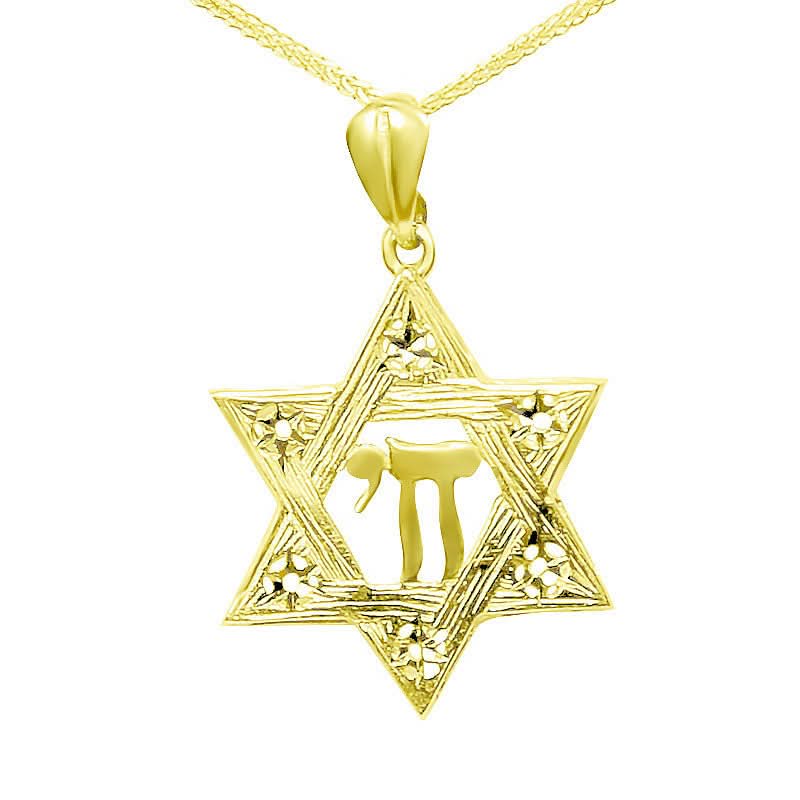
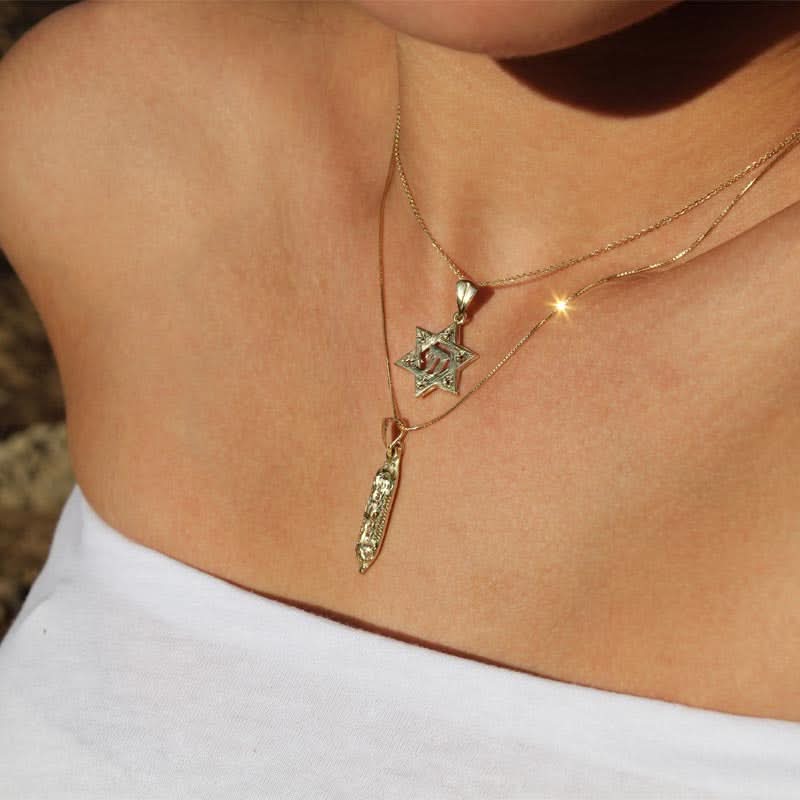
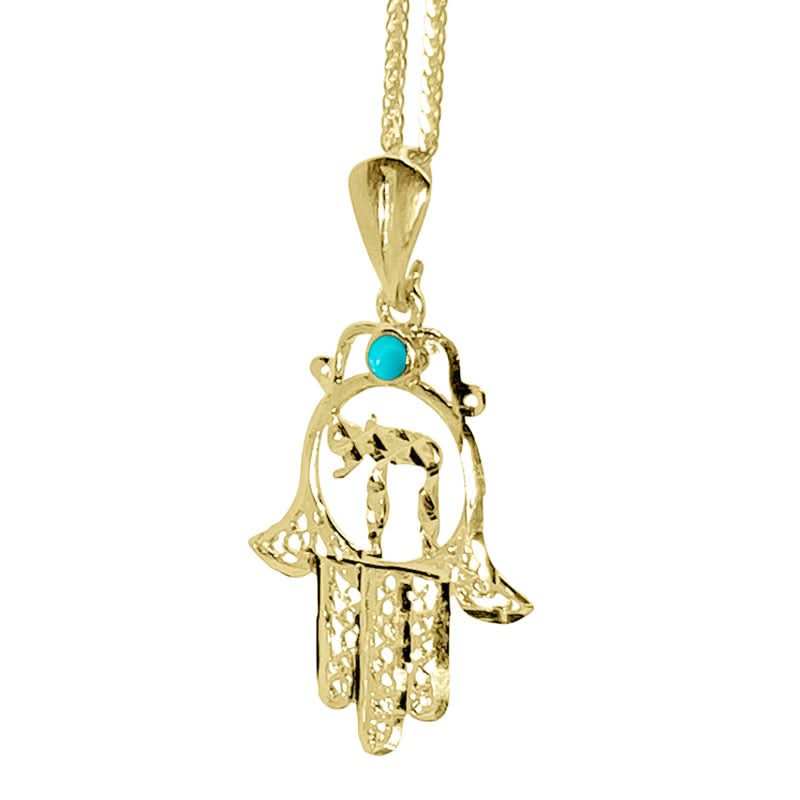
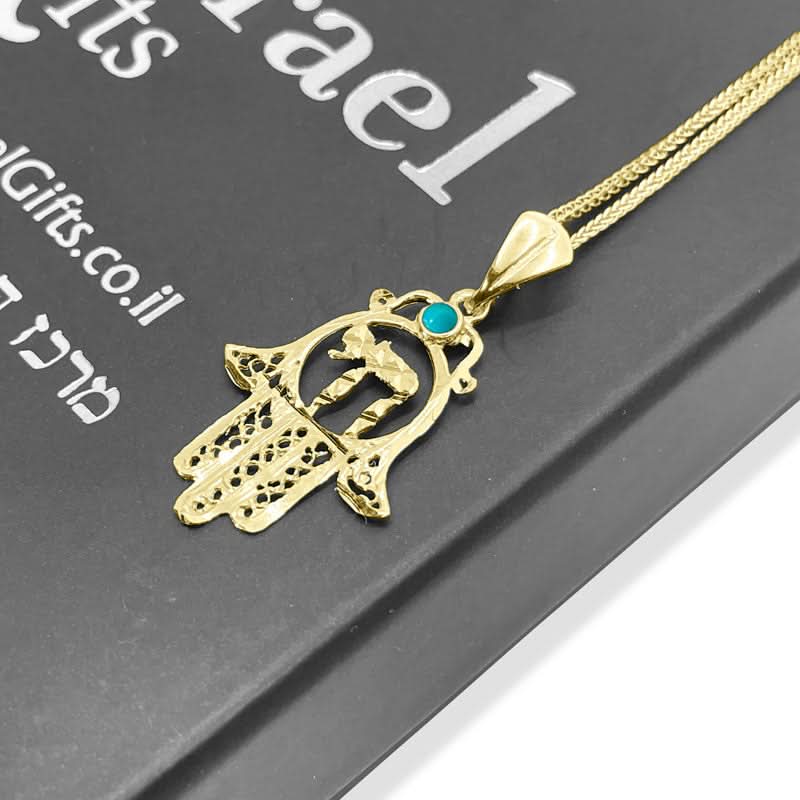
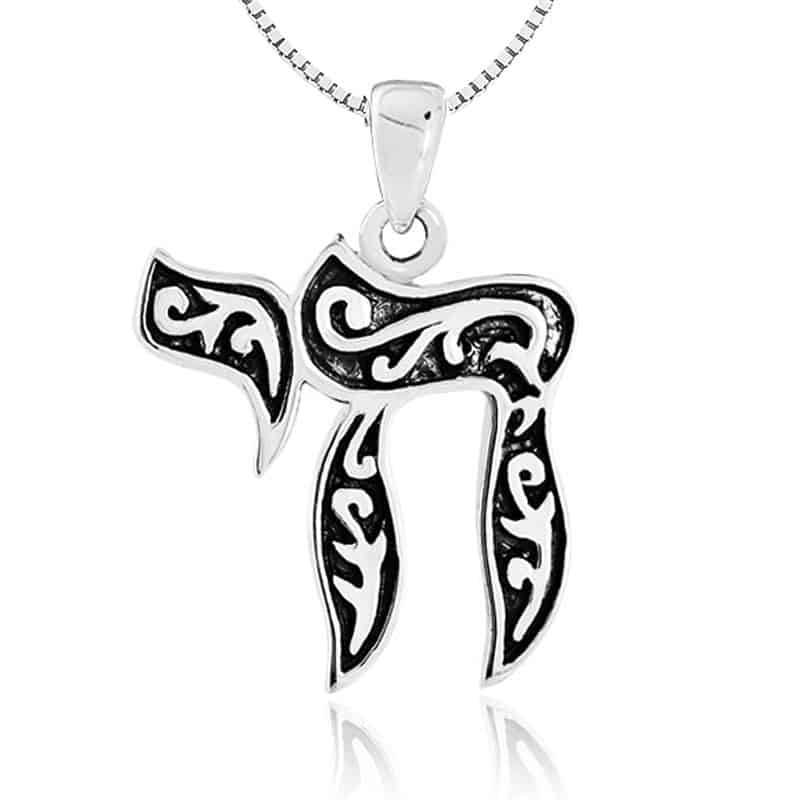
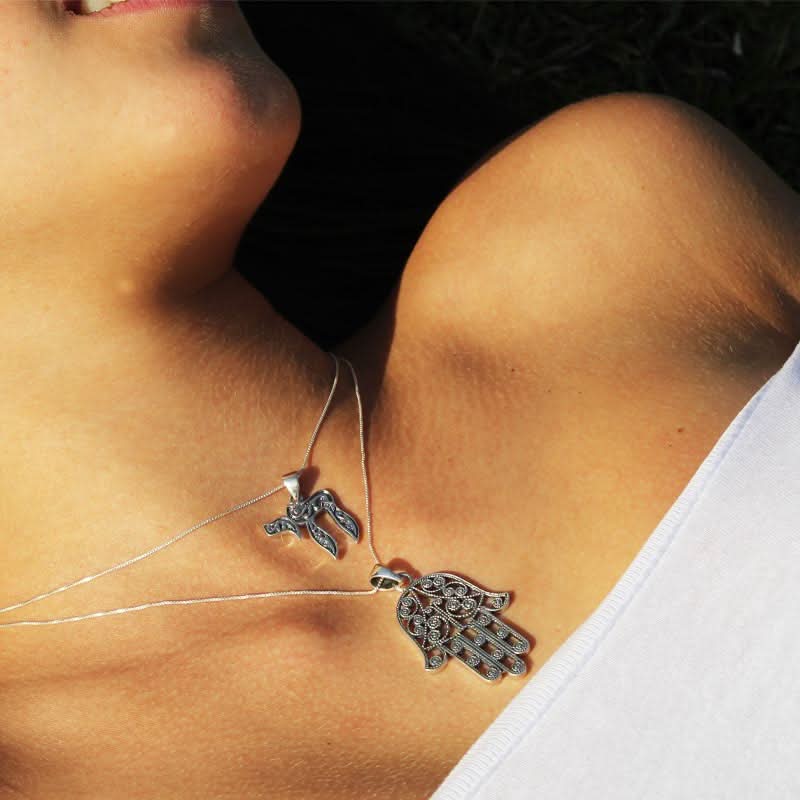
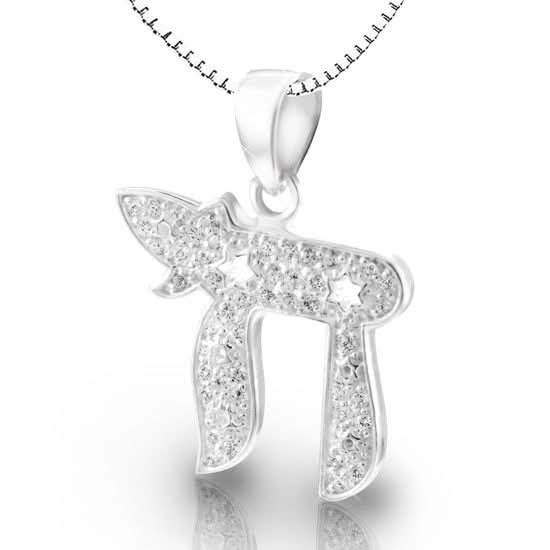
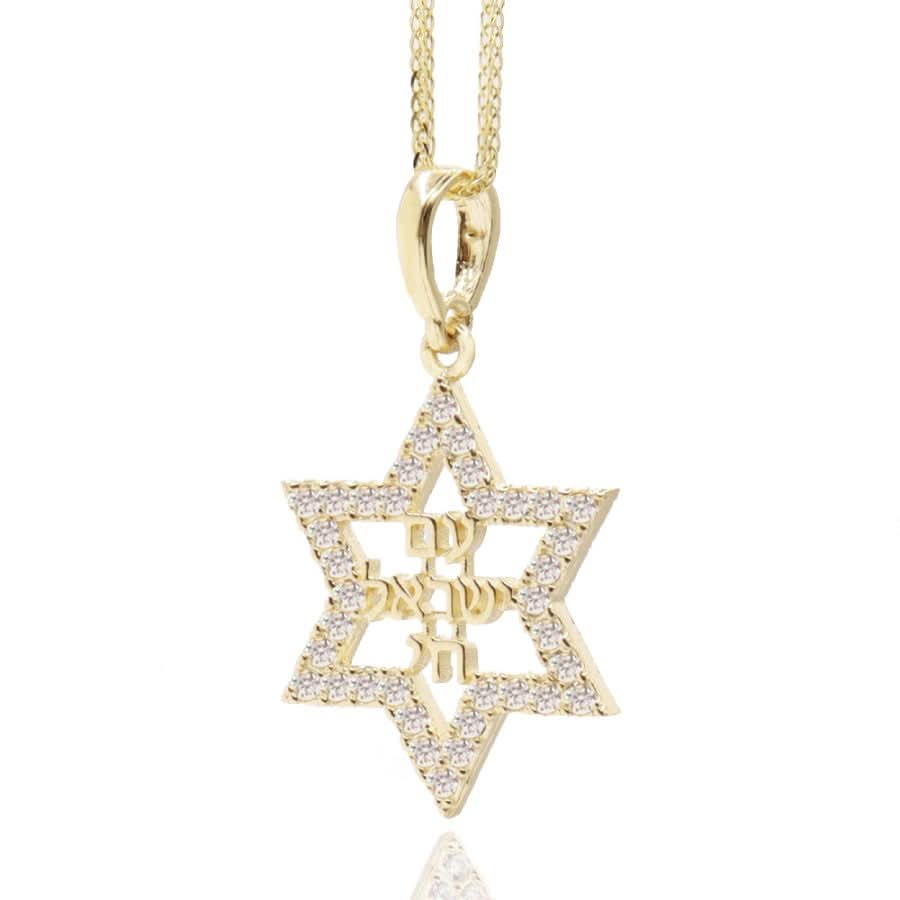
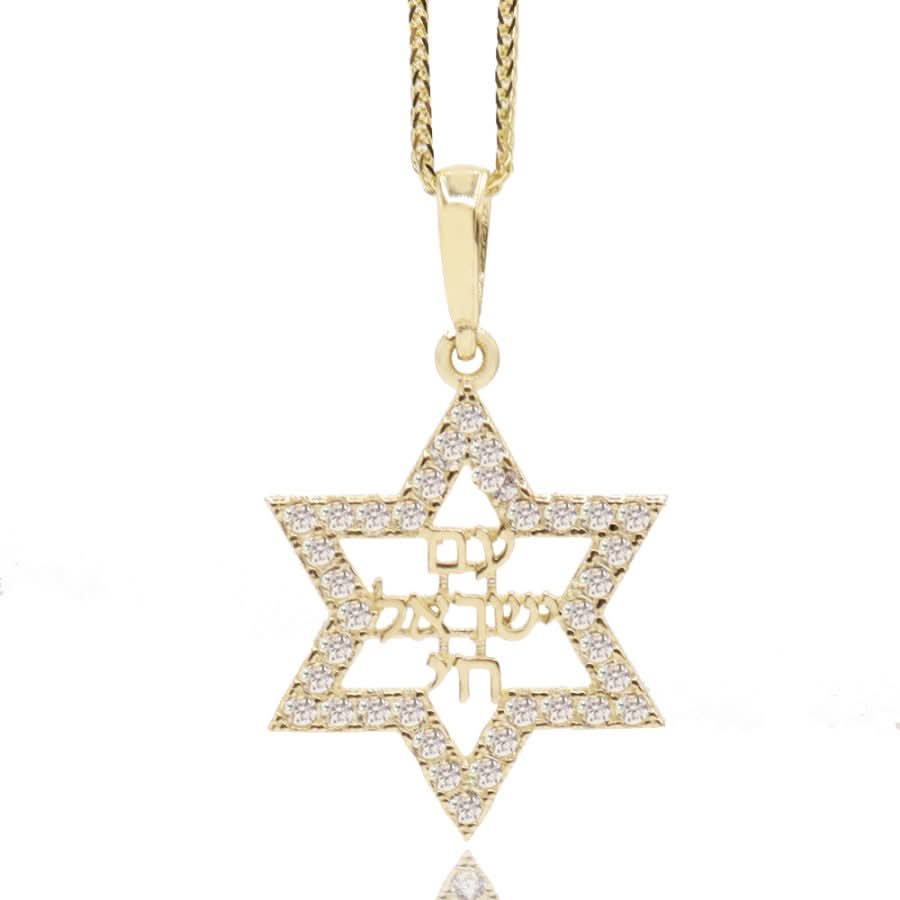
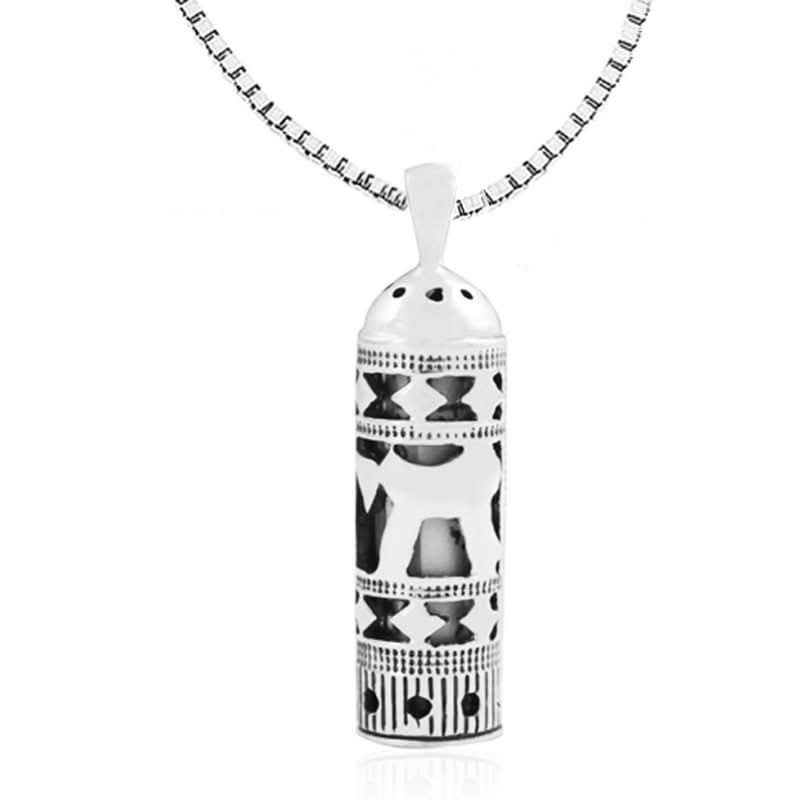
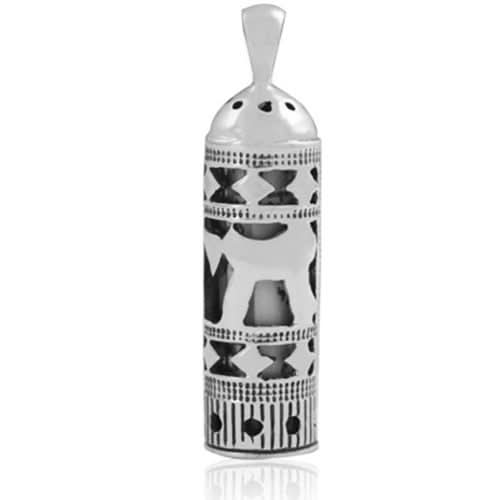
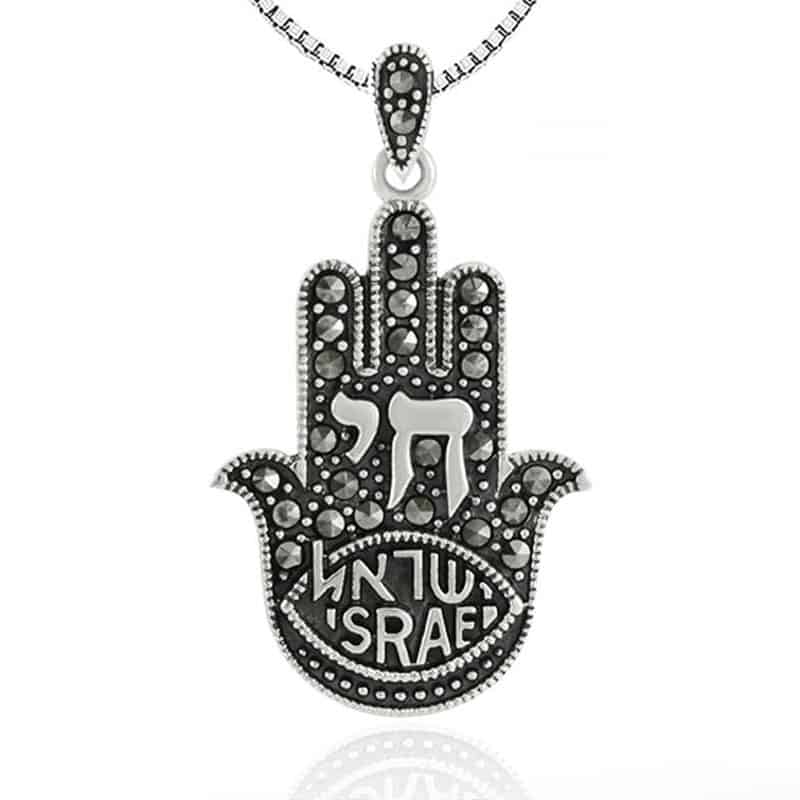
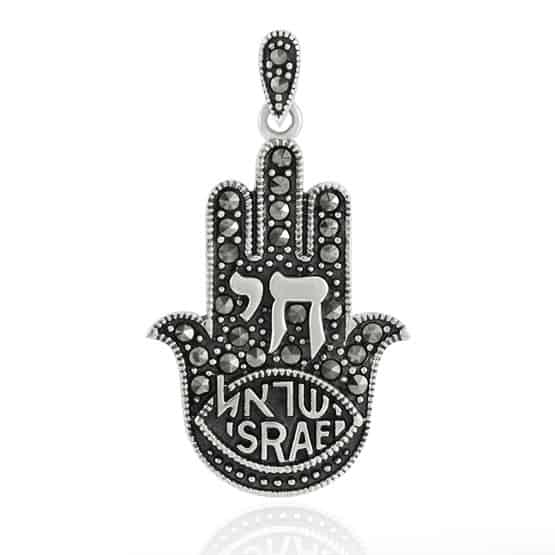
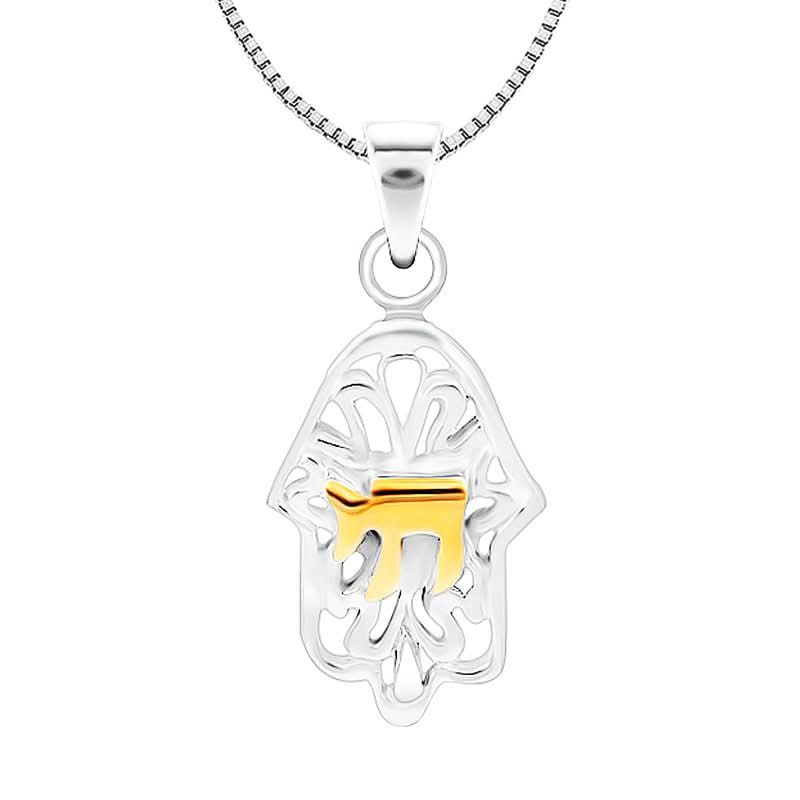
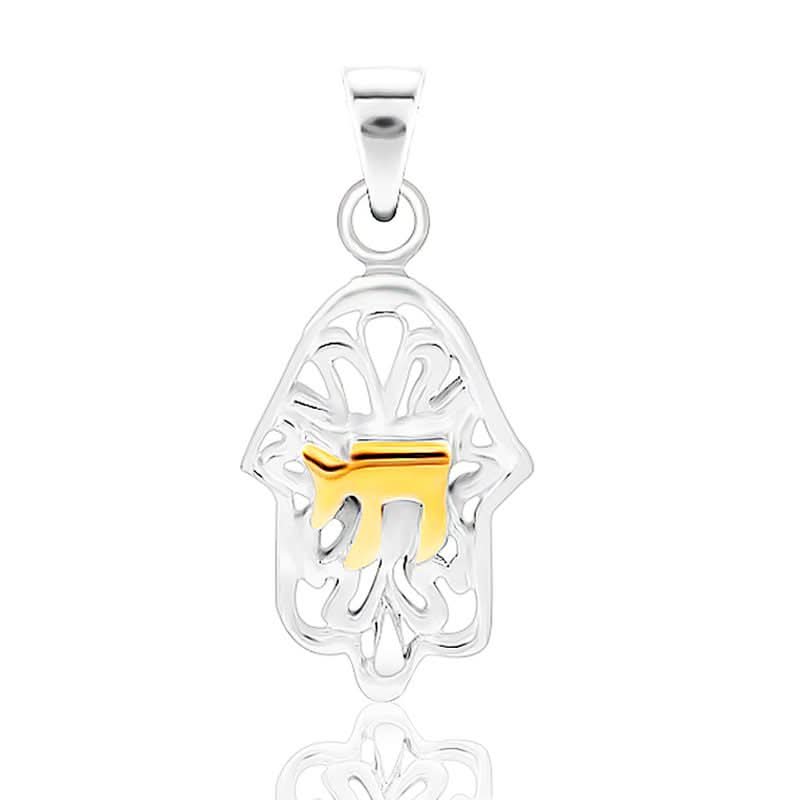
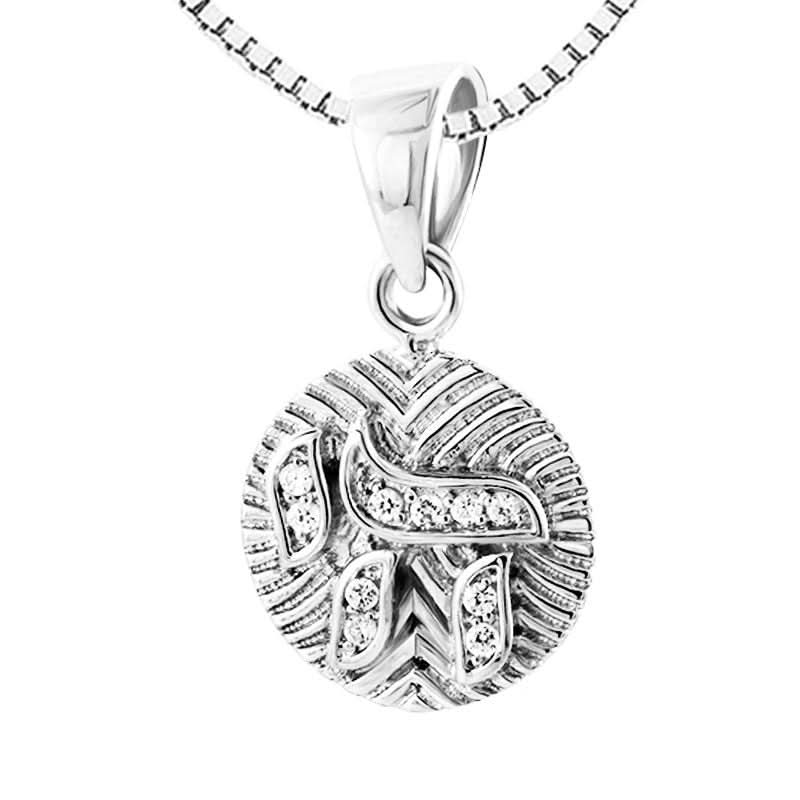
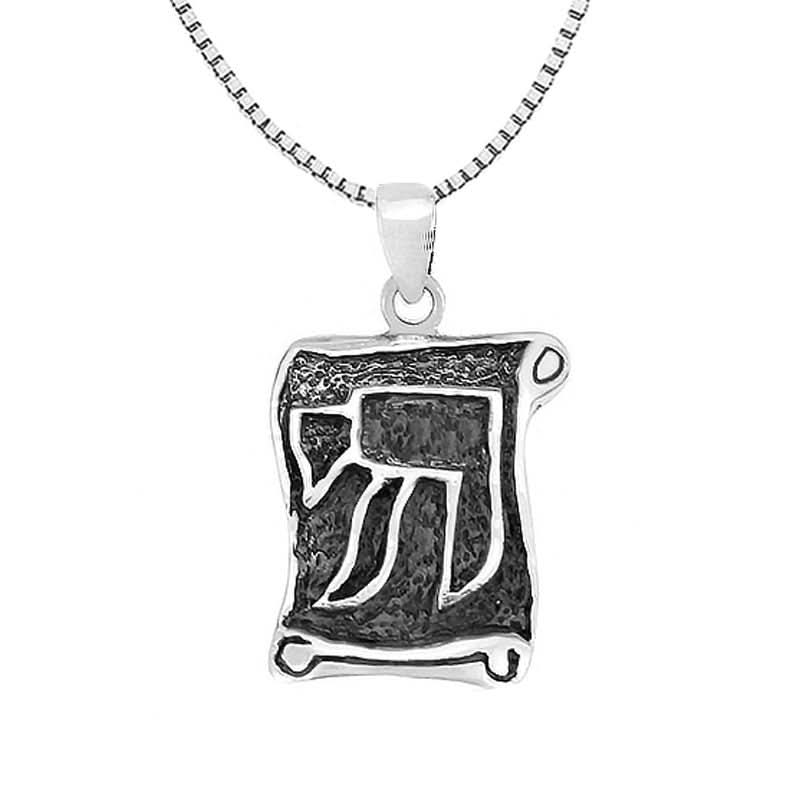
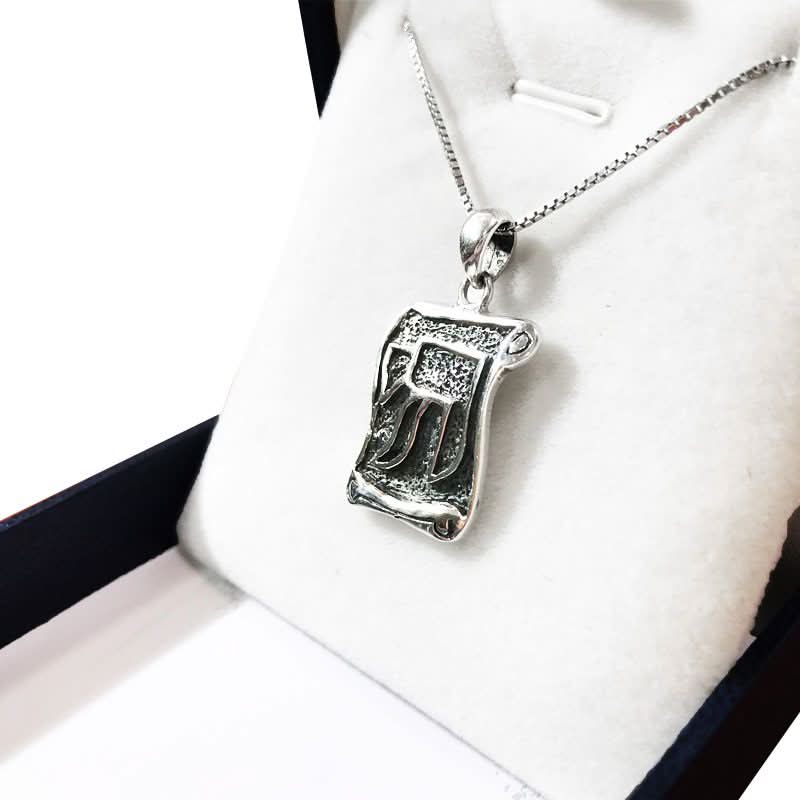
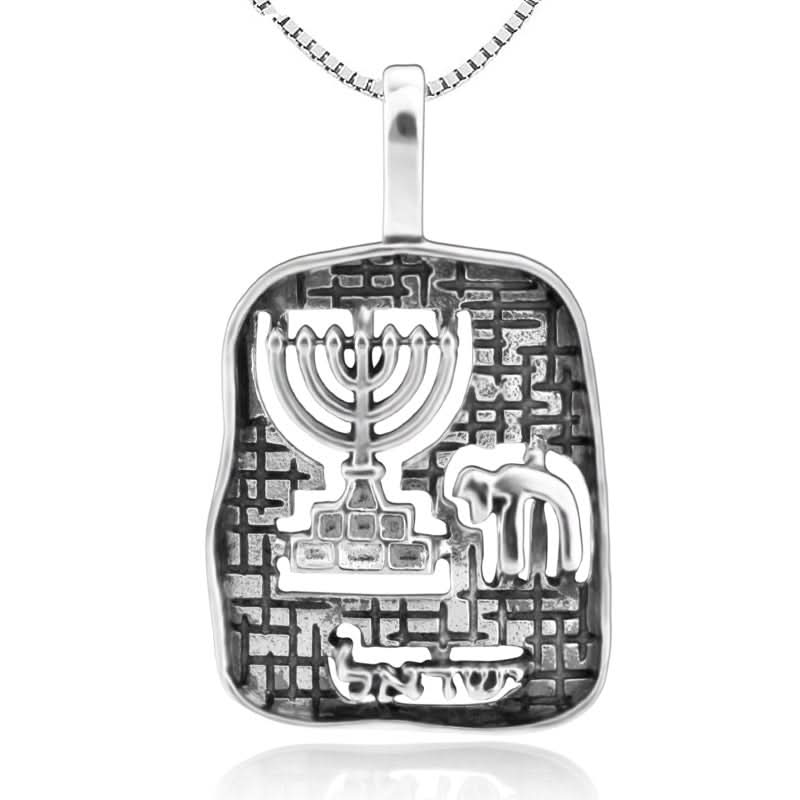
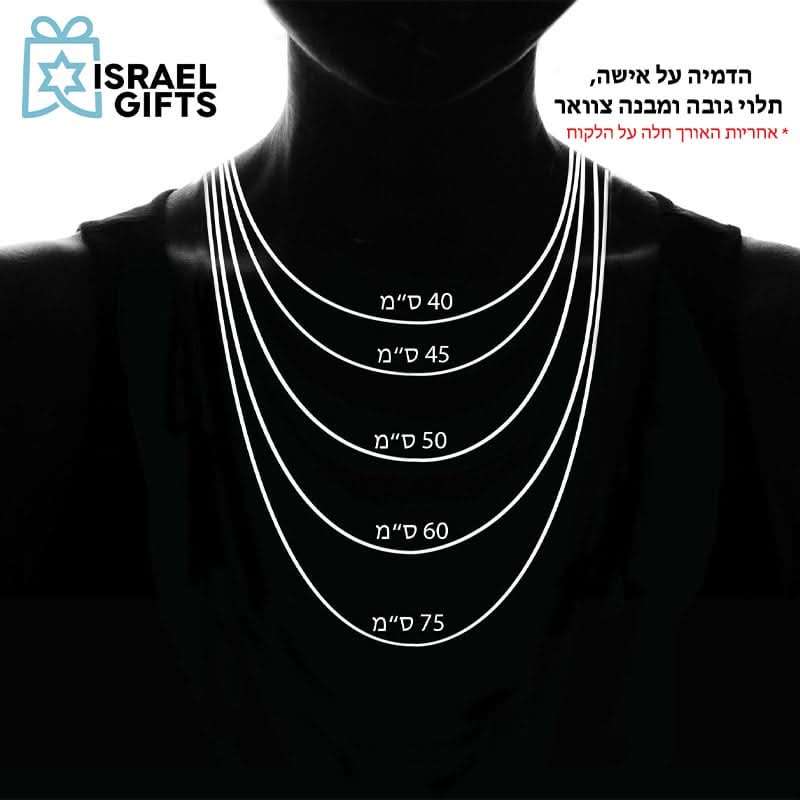
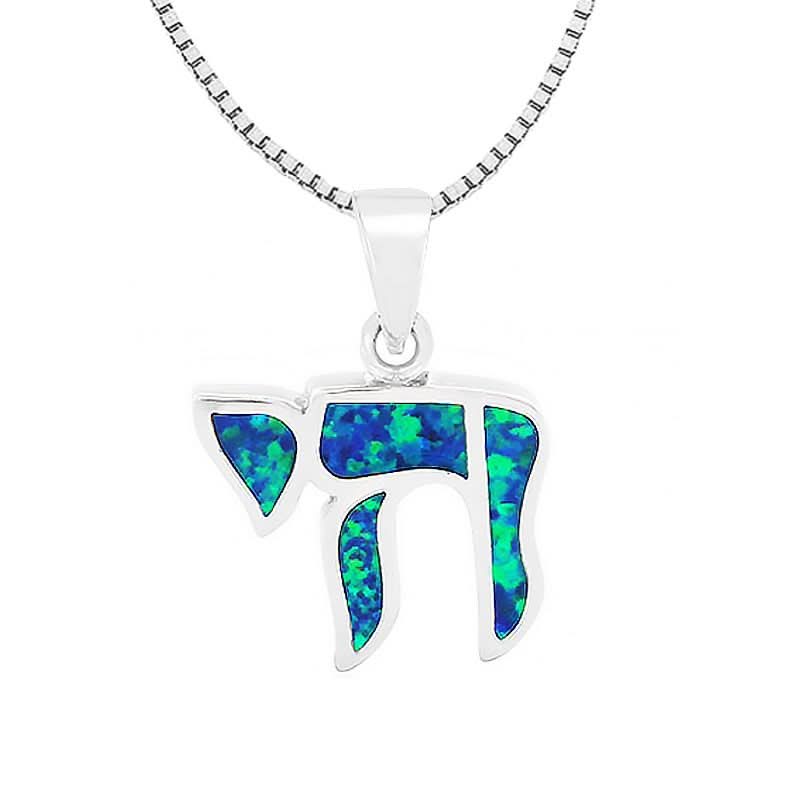
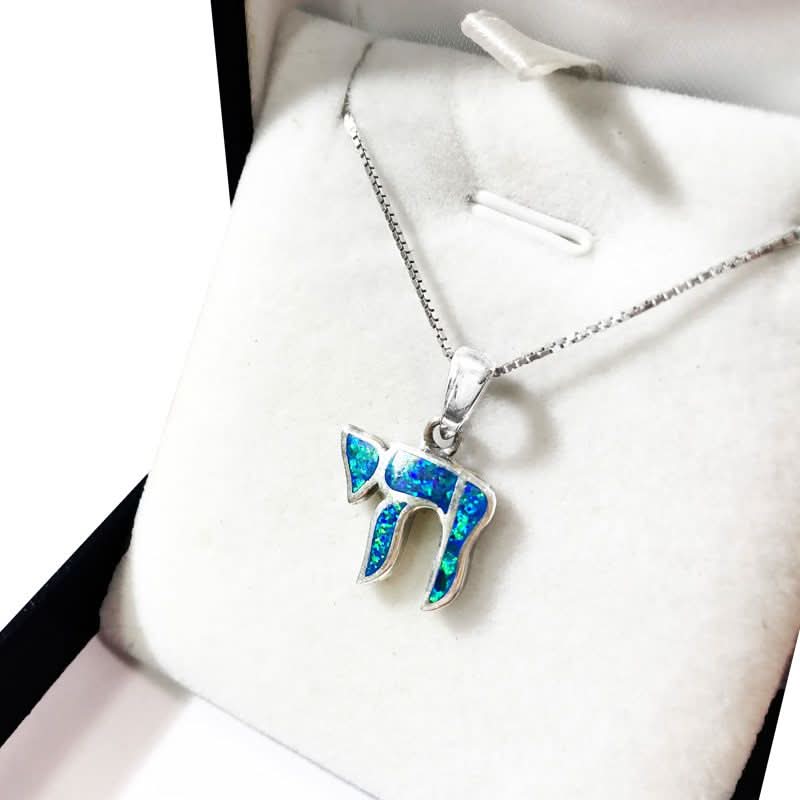
"Live" jewelry – the origin, meaning, and connection to Judaism
The symbol's source "live"
The Word “Lived” In Hebrew, it means life. The symbol consists of two letters: H andY It is both a historical and a historical history of the Bible. Life is seen in Judaism as a supreme value, as it is said: "And you chose life" (Deuteronomy 30:19).
Beyond the literal meaning, the word "live" also has a numerical value (geometry) of 18, a number identified in Jewish tradition with blessing, abundance and good life. This is why donations, gifts, and sums are customary in multiples of 18 – a practice common in Jewish communities to this day.
Spiritual and cultural significance
The symbol "live" stands for:
-
Appreciation for life itself
-
Connection to Jewish faith and identity
-
Hope, Blessing and Continuity
In many Jewish communities, especially in Europe and North Africa, the symbol served as a spiritual mascot – not as a magical element, but as a symbol of identity and faith.
The Connection to Jewish Jewelry
The use of the "live" symbol as a jewel has developed mainly in the past centuries, with the expansion of gold and silver silver jewelry in Jewish communities. "Live" pendants have become a common item:
-
As a gift for life events (bar mitzvah, birth, wedding)
-
As a symbol of personal Jewish identity
-
As an everyday jewel of meaning and not just aesthetics
The choice to incorporate the symbol into the jewel allows to carry a value message in a dignified, visible and elegant manner.

Why gold and silver?
In Judaism, noble metals such as Gold and silver Identify with purity, value and durability over time. The combination of the "live" symbol in 925 silver or gold jewelry creates a connection between:
-
Quality and durable material
-
Deep spiritual and cultural message
Thus the jewel becomes not only a design item, but also an object of personal and historical significance.
Today's "live" jewelry
Today "live" jewelry is common among:
-
Men and women of all ages
-
Jews in the Land and Diaspora
-
People looking for a jewel of value, not a passing trend
The design varies – modern, classical or traditional – but the meaning remains the same: Connection to Jewish life, faith, and identity.