

Tallit, Tallit covers and Tefillin
Filters
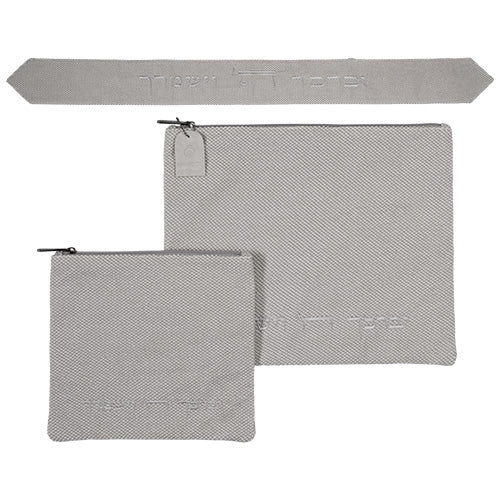


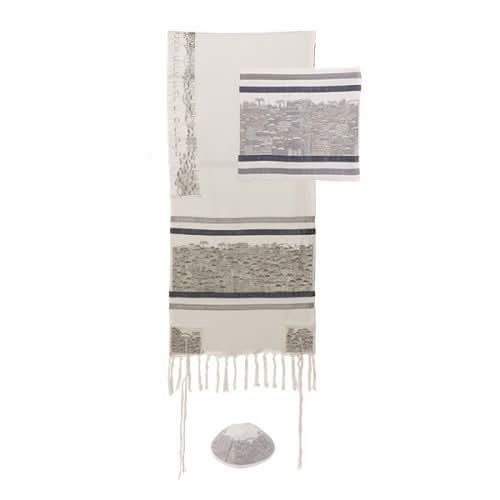
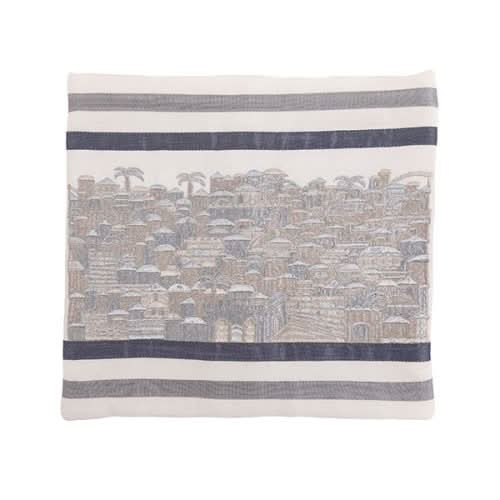
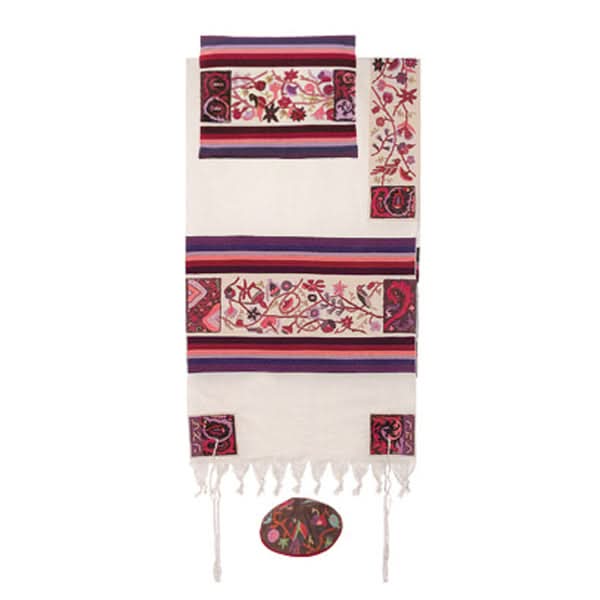
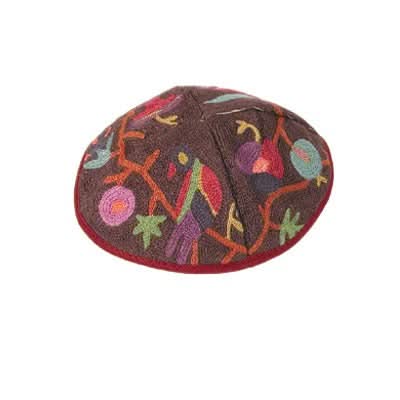


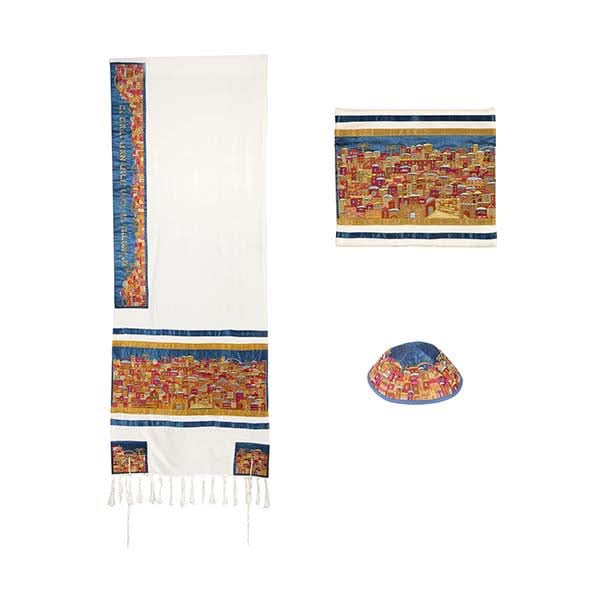
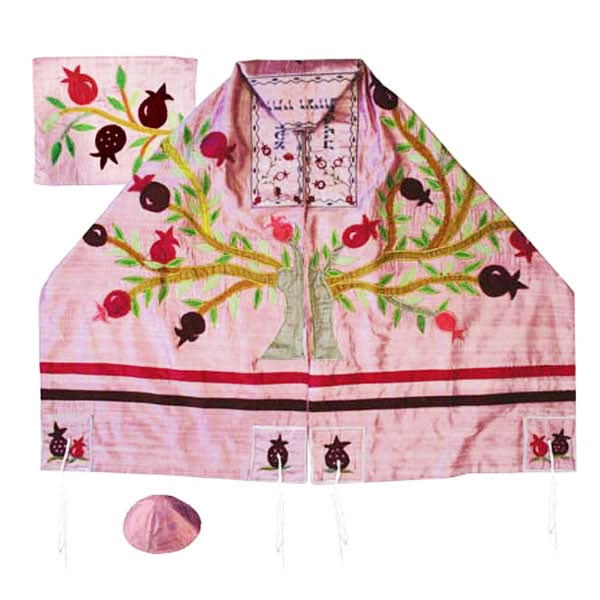
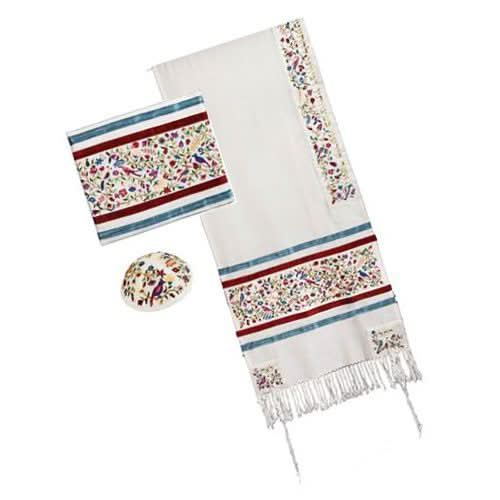
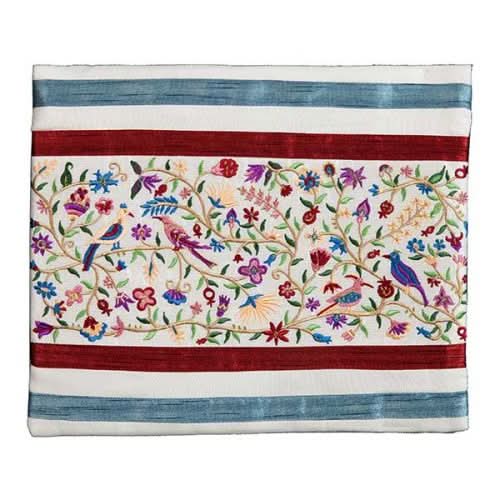
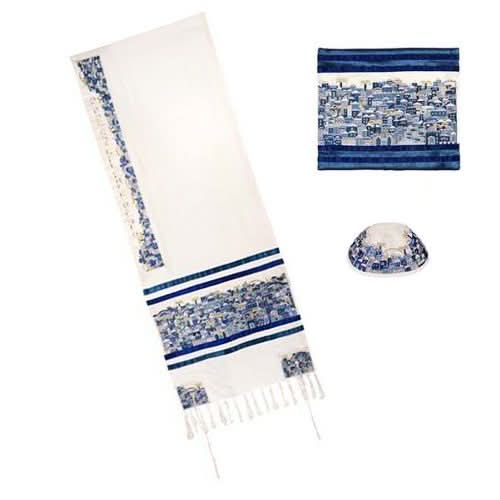
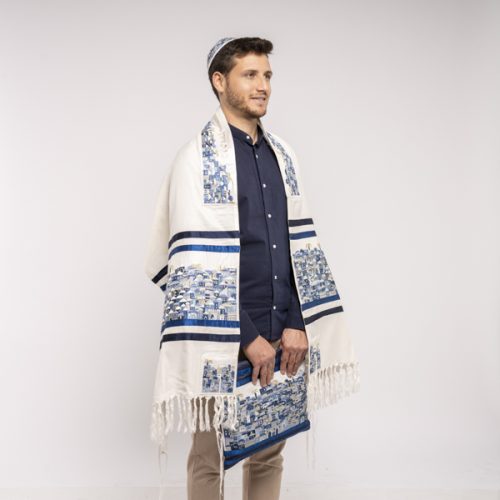
Ornate Tallitot and Covers for Tallitot and Tefillin
Wearing Tefillin and Wrapping in a Tallit – Foundations of Jewish Mitzvot
Tefillin and Tallit are among the central mitzvot (commandments) in Judaism, establishing a daily connection between a person and the Torah's commandments and their Jewish identity.

What are Tefillin?
Tefillin consist of two leather boxes, inside of which are parchment scrolls inscribed with four passages from the Torah:
"Sanctify to Me all the firstborn", "And it shall come to pass, when He brings you", "Hear, O Israel", and "And it shall come to pass, if you hearken diligently".
One is placed on the arm and one on the head, in accordance with the Torah's command:
"And you shall bind them for a sign upon your hand, and they shall be for frontlets between your eyes" (Deuteronomy 6:8).
The Significance of Wearing Tefillin
Wearing tefillin expresses acceptance of the yoke of mitzvot and remembrance of the Exodus from Egypt.
The tefillin for the arm symbolize the connection of actions to faith, and the tefillin for the head symbolize the connection of thought and intellect to the service of God.
What is a Tallit?
A tallit is a four-cornered garment with tzitzit (fringes) on it, in accordance with the Torah's commandment:
"They shall make for themselves fringes on the corners of their garments" (Numbers 15:38).
The tallit is worn during prayer, primarily during the Shacharit (morning) prayer, and serves as a constant reminder to fulfill the mitzvot.
The Significance of Wrapping in a Tallit
The tallit symbolizes wrapping oneself in mitzvot and remembering the Torah's commandments. The tzitzit are meant to remind a person of their obligation to fulfill the mitzvot and to avoid straying after temptation.
How to Wear Tefillin and Wrap in a Tallit
The tallit is worn first, with a blessing, and then the tefillin are worn – first on the arm and then on the head. This order is based on accepted Jewish law.
They are worn on weekdays and during the Shacharit prayer, and not on Shabbat and holidays.
Tallit and Tefillin Set
A tallit and tefillin set encapsulates the essence of morning prayer mitzvot in items designed for daily use, while adhering to kashrut (kosher laws), halachic precision, and manufacturing quality.
In this category, you will find a wide selection of ornate tallitot, high-quality covers for tallitot and tefillin, items that combine faith, beauty, and spiritual meaning. Each item is carefully chosen to combine luxury and comfort, and is suitable as a gift for a Bar Mitzvah, Kiddush, or for personal daily use.

What is a Tallit and Why is it Important?
A tallit is a traditional Jewish prayer shawl with tzitzit, symbolizing a connection to the mitzvot and to God. One who wears a tallit experiences a personal connection to tradition and mitzvot. High-quality covers for tallitot and tefillin preserve the items for years and add to their elegance.
Among the items, you can also find mezuzah pendants that are suitable as a complementary gift, as well as Star of David jewelry that add uniqueness to your Judaica collection.
Types of Tallitot
-
Tallit Gadol – for Shabbat and holiday prayers, made of ornate wool, silk, or cotton
-
Tallit Katan – for daily use or as a gift
-
Designs – some with embroidery, colorful stripes, and modern patterns, and some more conservative
-
Materials – high-quality wool, cotton, modern blends
Covers for Tallitot and Tefillin
-
Tallit bags – keep the tallit clean and organized
-
Tefillin covers – durable, elegant, and adorned
They beautifully complement Hamsa jewelry or Choshen jewelry for an impressive Judaica collection.
How to Choose Correctly
-
Determine the use: daily or for ceremonies
-
Choose material and comfort according to age and purpose of use
-
Ensure the cover fits the dimensions of the tallit or tefillin
-
Consider a design that combines tradition with personal beauty
Spiritual Significance
The tallit and tefillin are not merely religious items, but an expression of Jewish identity, connection to tradition, and family meaning. The tzitzit and covers remind one of the mitzvot and enrich the prayer experience.