
Hamsa – History, Meaning, and Amulet | The Complete Guide
Few symbols in the world have crossed borders, religions, and cultures like the Hamsa. It has adorned the walls of prehistoric caves, accompanied kings and pharaohs, protected the homes of Muslims and Jews alike, and today graces necks in New York, Tel Aviv, Marrakech, and Madrid. What is the secret of this small symbol that everyone recognizes?
In this guide, we will delve deep into its history, understand its meanings from all angles, and explore various ways to incorporate a Hamsa into daily life – from jewelry to home decorations.

What is a Hamsa? A Basic Definition
A "Hamsa" is a hand-shaped symbol with five outstretched fingers. The name itself comes from Arabic and simply means "five." The symbol appears with the fingers pointing upwards or downwards, and typically has a symmetrical structure where the thumb and pinky are identical and parallel to each other – unlike a regular human hand.
Throughout generations, the Hamsa has primarily served as a protective amulet against the evil eye. It was hung at the entrances of homes, on walls, in cars, in wallets, on keychains, and worn as rings, bracelets, and necklaces. Today, it is also a fashion and design item in its own right.
Historical Origins – Long Before Monotheistic Religions
The origins of the Hamsa are much older than most people realize. Archaeological findings indicate the use of the hand symbol as early as prehistoric times – when ancient humans drew hands or pressed their palms onto cave walls. For ancient humans, the hand symbolized power, creation, and personal identity.
In the Punic culture – the Phoenician colony located in North Africa, in the area of modern-day Tunis – researchers link the hand symbol to the moon goddess "Tanit," who was one of the central deities of that culture. The hand with downward-pointing fingers served there as a protective amulet for the inhabitants of the Mediterranean basin, long before the arrival of monotheistic religions.
Later, in ancient Egyptian culture, hand symbols appear in religious and magical contexts. Hand-shaped amulets used for protection against evil forces were also found in Mesopotamian cultures.

The Hamsa in Judaism – Hand of Miriam and a Symbol of God
In Judaism, the Hamsa has acquired rich and complex layers of meaning. Jewish tradition identifies the symbol with several sources:
Hand of Miriam
The most common Jewish tradition holds that the Hamsa represents the hand of Miriam the Prophetess – the sister of Moses and Aaron. Miriam was a protective and leading figure who led the women of Israel in song and dance after the splitting of the Red Sea. Her connection to the symbol of protection is very natural.
The letter Heh – a Symbol of God
According to tradition, the five fingers represent the letter Heh – the fifth letter of the Hebrew alphabet, and a symbol of one of God's names. Thus, the Hamsa becomes not only a protective amulet but also a symbol of faith and divine presence.
Plague of the Firstborn
Some in Judaism connect the protective idea of the Hamsa to the story of the Plague of the Firstborn in Egypt – when the Israelites marked their doorposts with blood, and the Angel of Death passed over them. The idea of marking the entrance for protection continues to this day.
The Five Books of the Torah and the Five Senses
Additional interpretations link the five fingers to the five books of the Torah – Genesis, Exodus, Leviticus, Numbers, and Deuteronomy – and to the five senses with which a person is endowed and which protect them in the world.
The Talmud quotes Rabbi Yitzhak: "Blessing rests only upon something that is hidden from the eye" – and from this, the eye sometimes depicted within the Hamsa is explained, as a combination of hidden protection and vision and awareness.

The Hamsa in Islam – Hand of Fatima
In Islam, the Hamsa is known as "Hand of Fatima" – named after Fatima al-Zahra, the beloved daughter of the Prophet Muhammad. The traditional story tells that Fatima was sitting and cooking when her husband Ali entered the house with another woman. Fatima was so distressed that her hand fell into the boiling stew and was burned – but she felt no pain. Her tears fell and touched her husband's shoulder, preventing him from consummating his marriage to the other woman.
From this, the symbol of the "Hand of Fatima" was born as an expression of suffering, loyalty, and inner strength. Muslims used to mark the doors of their homes with a handprint dipped in blue paint, believing that the mark repelled the evil eye and evil spirits from the home.
It is interesting to note that the "Hand of Fatima" in Islam is somewhat parallel to the role of the Mezuzah in Judaism – both are placed at the entrance of the house and both are intended for protection and blessing.
The Evil Eye – The Universal Fear the Hamsa Aims to Counter
What unites all cultures around the Hamsa is the fear of the "evil eye" – the belief that the gaze of an envious or malicious person can harm others. The belief in the evil eye is almost universal: it appears in Mediterranean, Asian, African, and European cultures alike.
The Hamsa, with its open palm, symbolizes a halt – "Stop, evil eye cannot pass." The open hand also symbolizes giving and revelation, in contrast to a clenched fist which symbolizes closure and threat.
This symbol often incorporates other symbols intended to strengthen protection: eyes, fish, Stars of David, Kabbalistic combinations, and blessings such as "Shema Yisrael" and "May God bless you and protect you."
The Hamsa Today – From Folk Amulet to Global Fashion Symbol
In recent decades, the Hamsa has crossed religious and cultural boundaries and become a global fashion symbol. Madonna wore a Hamsa, Ashley Judd received a Hamsa as a gift, and Hamsa designs appear on clothing, bags, jewelry, and home accessories worldwide.
In Israel, the Hamsa is an integral part of the culture. It appears at home entrances, in souvenir shops, on jewelry, and on home accessories. It is a bridge between cultures, between Jews and Arabs, between believers and secular people.
Hamsa for the Home – How to Incorporate it into Home Decor?
One of the most common uses for a Hamsa is as a home decoration. It is hung at the entrance of the house to bless those entering and protect its inhabitants. But there are many ways to beautifully and meaningfully incorporate a Hamsa into the home:
Hamsa at the entrance of the house: The classic place. A Hamsa at the entrance welcomes guests and protects the home. Choose a Hamsa that is appropriate in size for the entrance – not too big and not too small.
Hamsa on the living room wall: A large, decorative Hamsa can be an impressive focal point in the living room. Especially Hamsas with original Israeli design or inlaid with stones.
Group of Hamsas: Three Hamsas of different sizes hung together create an impressive and balanced design.
To view our range of hanging and freestanding Hamsas , and our collection of Judaica and home gifts.
Recommended Home Products
13 cm metal Hamsa for wall with Home Blessing and Hoshen stones – an impressive combination of blessing and design, suitable for any home style.
"If I Forget Thee, O Jerusalem" Hamsa hanger by artist Dorit Klein – an original Israeli artwork combining love for Jerusalem with the symbol of protection.
24 cm colorful metal Hamsa stand with Home Blessing – an impressive freestanding Hamsa that can be placed on a shelf, dresser, or table.
New Hamsa wall pendant inlaid with crystal – a delicate and sparkling Hamsa that brings light and beauty to any corner of the home.
Hamsa Jewelry – Wearing Protection Around Your Neck
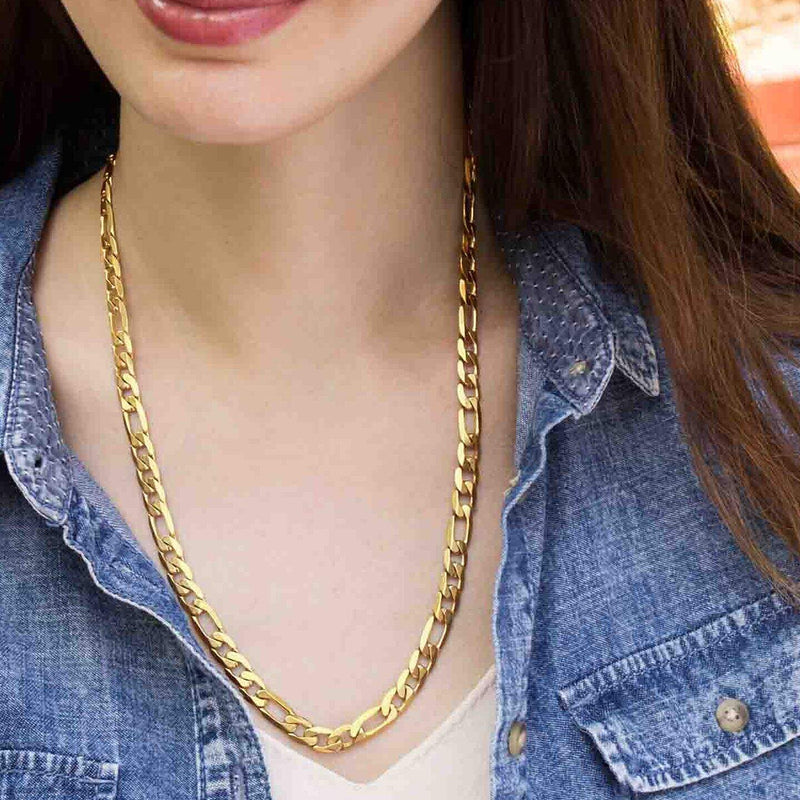
Beyond home decoration, the Hamsa is one of the most popular pendants for necklaces. Wearing a Hamsa around your neck means carrying protection with you everywhere – and there is something comforting and powerful about that.
Our Hamsa jewelry comes in a wide variety of materials, designs, and styles – for every taste and budget.
Recommended Hamsa Jewelry
14K yellow gold Hamsa necklace inlaid with turquoise stone – a luxurious gold Hamsa with a turquoise stone, connecting the luxury of 14K gold with the classic symbol of protection.
925 sterling silver Hamsa necklace with rhodium plating, inlaid – a classic and delicate silver Hamsa, suitable for everyday wear.
Stunning classic Hamsa pendant for men/women in 925 sterling silver – a large and impressive pendant, suitable for both men and women.
Shema Yisrael necklace in 14K yellow gold – a powerful combination of two Jewish symbols: Shema Yisrael and Hamsa, in 14K gold.

Crystal-Inlaid Hamsa – The Meeting of Tradition and Sparkle
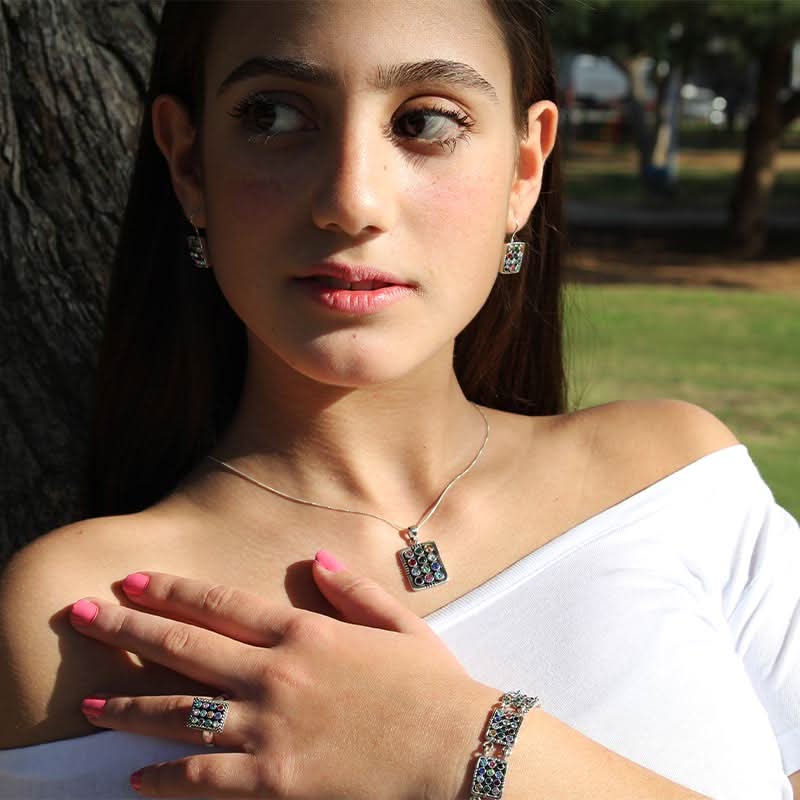
One of the most popular trends in recent years is the crystal-inlaid Hamsa – whether for jewelry or wall decorations. The crystals add a dimension of beauty, light, and sparkle to the ancient symbol, creating an item that is both spiritual and aesthetic.
To view our range of crystal-inlaid wall decorations .
Hamsa as a Gift – For Whom and for What Occasion?
A Hamsa is one of the most universal gifts there is. It is suitable for almost everyone and almost every occasion:
Housewarming: A Hamsa for the home is the classic housewarming gift. It brings blessing and protection to the new home.
Birth: A small Hamsa in the baby's room symbolizes protection for the newborn.
Bar/Bat Mitzvah: A silver or gold Hamsa pendant with personalized engraving – a gift that will be cherished for many years.
Birthday: A Hamsa piece of jewelry for a man or woman – a gift that has meaning beyond aesthetics.
Rosh Hashanah: A Hamsa with a "Shana Tova" blessing is a festive and meaningful gift.

Hamsa Pointing Up or Down – Is There a Difference?
A frequently asked question. Here's what is commonly said:
Fingers pointing down: The older form. According to popular belief, a Hamsa with downward-pointing fingers attracts abundance, blessing, and good luck.
Fingers pointing up: The more common form today. Considered protection against the evil eye – like a hand saying "stop."
Important note: There is no authoritative Halachic or religious source that establishes a clear difference between the two forms. Ultimately, what matters is the intention and personal meaning you ascribe to the symbol.
How to Choose a Hamsa Necklace – The Practical Guide
We've explored the history and understood the meaning – now for the practical question: how do you choose the right Hamsa? Silver or gold? Large or small? For a man or a woman? Here's a guide to help you choose wisely.
925 Sterling Silver Hamsa Necklace vs. 14K Gold – Which is Better?
925 Sterling Silver – The most common choice. Affordable, elegant appearance, and suitable for everyday wear. 925 silver may tarnish over time, but simple cleaning restores its shine. Excellent for those who want beautiful jewelry for daily use. This stunning classic 925 sterling silver Hamsa pendant is a classic choice – large, prominent, and suitable for both men and women.
14K Gold – Jewelry that lasts a lifetime. Does not tarnish, does not wear out, durable for many years. A 14K yellow gold Hamsa necklace inlaid with a turquoise stone is an investment that will accompany you for decades and be as beautiful as the day you bought it. Especially suitable as a gift for important occasions.
Filigree Hamsa – Traditional Beauty in a Modern Style
A filigree Hamsa design is one of the most unique choices – the delicate network of silver threads creates a lacy and delicate look that is impossible to ignore. This large 3.12x7 cm filigree Hamsa necklace in 925 sterling silver is an item that connects ancient jewelry-making tradition with contemporary design – a Hamsa that everyone who sees it stops and looks at.
Hamsa for Men – Yes, Men Also Wear Hamsas
Contrary to popular belief, a Hamsa for men is a very common and accepted piece of jewelry. In Mediterranean cultures – Israeli, Moroccan, Turkish – men have worn Hamsas for hundreds of years. A man wearing a Hamsa says: "I belong to a culture, I believe in protection, and I don't apologize for it."
What to look for for a man: A larger and more prominent Hamsa, on a thicker chain. A Hamsa pendant with a "Chai" symbol in 14K yellow gold is a double statement – Hamsa and Chai together, two Jewish symbols on one pendant. For the man who wants jewelry with meaning and presence.
For men who prefer a more urban and sporty look – A 316 medical stainless steel ball bracelet is a perfect upgrade that pairs nicely with Hamsa jewelry – together they create a complete masculine look.
Hamsa for Women – How to Choose the Right Size and Style?
For women, a Hamsa can be delicate and minimalist for everyday wear, or large and prominent for special occasions. Here are some rules to help:
For everyday wear: A small to medium hamsa (up to 2 cm) on a thin chain. Delicate, comfortable, and unobtrusive. A 14K gold hamsa necklace with stones is the perfect choice – luxury and delicacy combined.
For events and gifts: A larger hamsa, with stone or crystal settings. It catches the eye and starts conversations.
Layering necklaces: A popular trend is wearing a hamsa necklace alongside another necklace – a Star of David, a Mezuzah, or a name. Two necklaces at different lengths create an impressive layered look.
To view our full range of hamsa jewelry – for men and women, in silver and gold.
Hamsa with Inscriptions and Verses – An Additional Layer of Meaning
Some of the most popular Hamsa jewelry pieces are those that incorporate Hebrew inscriptions – a verse, a blessing, or a holy name. This way, the Hamsa not only has its protective form but also the power of words.
A particularly beautiful example is a large Hamsa necklace with the Chai symbol and "Israel" inscription – a combination of two powerful symbols: the protective Hamsa and the Chai symbol representing life and health. Another impressive option is a 14K gold Shema Yisrael necklace – a verse that serves as a unique and powerful amulet.

Hamsa and Judaica – The Greater Connection
The Hamsa is an integral part of the world of Judaica jewelry – those pieces that carry symbols and meanings from Jewish culture. Alongside the Hamsa, the world of Judaica includes the Star of David, Mezuzah, Chai, Hoshen, and more. What they all have in common is the connection between external beauty and internal meaning – each piece of jewelry is not just an ornament, but also a story.

In conclusion – why does the Hamsa remain relevant?
The secret of the Hamsa is that it speaks to something deep and universal in humanity – the need for protection, security, and the feeling that there is a greater power looking out for us. Whether you believe in its virtues or you love it as a cultural and aesthetic symbol – the Hamsa is part of the story of all humanity.
To view all our Hamsa jewelry, hanging and standing Hamsas for the home, and our collection of Judaica and gifts for the home.


Leave a comment
This site is protected by hCaptcha and the hCaptcha Privacy Policy and Terms of Service apply.