

How to test gold at home
How to test gold at home? The complete guide to identifying real gold
Gold is one of the most precious and sought-after metals in the world, used for jewelry making for thousands of years. However, it's important to know that not every gold-colored piece of jewelry is real gold. The market offers gold-plated jewelry, gold-filled items, various alloys, and imitations – and it can sometimes be difficult to distinguish between them by eye alone.
If you own a piece of jewelry and want to know if it's real gold, there are several home testing methods that can provide an initial indication. However, it's important to note: a professional test by a jeweler or laboratory is the most accurate method.
To view quality gold jewelry:
14K Gold Jewelry ↗
14K Gold Necklaces ↗

What is Karat in Gold?
Pure gold is 24 Karat (24K), but it is very soft and therefore not suitable for most jewelry. For this reason, it is mixed with other metals to create a stronger alloy.
Common karats:
-
24K — Pure gold (99.9%)
-
22K — Almost pure gold
-
18K — High quality
-
14 Karat — Most common in jewelry
-
10K — Lower gold percentage
Most gold jewelry has a small stamp indicating the karat level.

Is a gold stamp proof?
Not necessarily.
While real gold jewelry usually bears a stamp (such as 14 karat or 585), there are also cases of fake stamps or gold-plated jewelry with misleading markings.
Therefore, a stamp is an indication — but not absolute proof.
How to test gold at home — Common methods
1. Magnet test
Gold is a non-magnetic metal.
How to test:
-
Take a strong magnet
-
Bring it close to the jewelry
-
If the jewelry is attracted — it's likely not pure gold
Important to know: jewelry clasps are sometimes made of a different metal and can therefore be attracted to a magnet even if the jewelry itself is gold.
2. Water buoyancy test
Gold is a very heavy metal and therefore sinks in water.
How to perform:
-
Fill a glass with water
-
Place the jewelry in the glass
Result:
-
Sinks — possibly gold
-
Floats — not gold
This is a basic test only and is not conclusive.
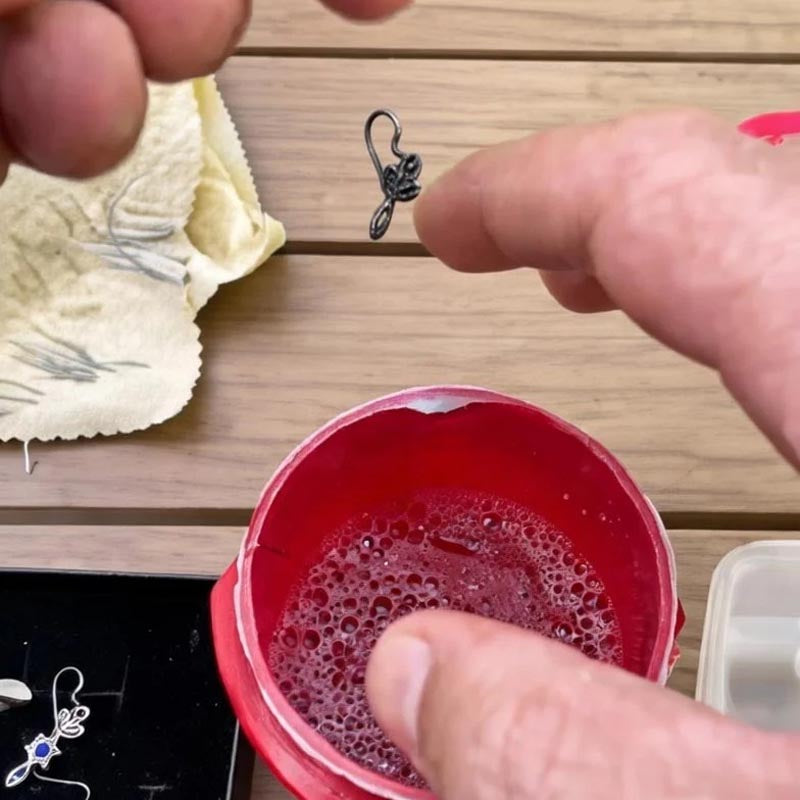
3. Vinegar test
Gold does not react to vinegar.
How to test:
-
Drip a little vinegar on the jewelry
-
Wait a few minutes
Result:
-
Color change — not gold
-
No change — possibly gold
You can also soak it for a few minutes and rinse with water.
4. Skin mark test (makeup)
A well-known but less scientific test:
-
Apply liquid foundation to the skin
-
Rub the gold on the area
Real gold sometimes leaves a dark mark.
However, this is not a completely reliable test.
What is the most accurate way to test gold?
A professional test by a jeweler or laboratory.
Professional methods include:
-
Dedicated acid test
-
Density test
-
Electronic test
-
XRF (X-ray test without damaging the jewelry)
This is the only way to know the gold percentage with certainty.
Types of jewelry that look like gold — but are not solid gold
Important to know:
-
Gold-plated jewelry
-
Gold-filled (relatively thick gold layer)
-
Gold-colored alloys
-
Brass
-
Other plated metals
Therefore, it is important to know how to check.
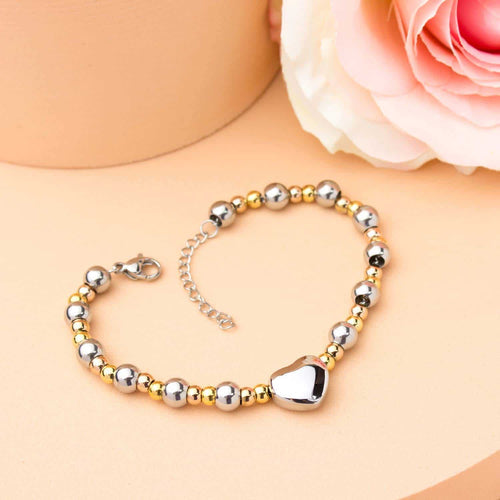
Examples of real gold jewelry

Why is it important to know if gold is real?
Because gold is a financial investment.
Proper testing helps to:
-
Understand the value of the jewelry
-
Avoid fakes
-
Ensure you pay a fair price
-
Protect your investment
Summary
Real gold can be identified by several home methods — magnet, water, vinegar, and hallmarks — but none of them are completely accurate. The most reliable way to know is a professional test.
When purchasing jewelry from a reliable source, you can be confident in the quality and authenticity of the gold.
To view a selection of gold jewelry:
14K Gold Jewelry ↗

Leave a comment
This site is protected by hCaptcha and the hCaptcha Privacy Policy and Terms of Service apply.